

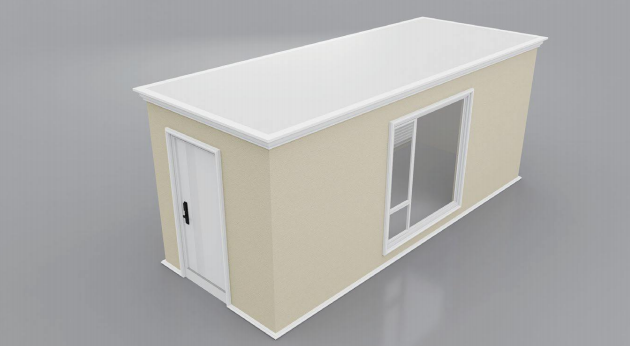
Complete Guide to Modular House Installation: Fast, Safe, and Efficient Prefab Assembly
Modular houses have rapidly become one of the most efficient building solutions for construction sites, temporary offices, worker accommodations, and outdoor resorts. Thanks to their fast installation, flexible configuration, and strong structural performance, prefab modular units are increasingly used worldwide.
This guide provides a detailed walkthrough of the installation steps, preparation work, and safety tips to ensure your modular house is stable, durable, and ready for long-term use.
Whether you are deploying a single unit or setting up a large modular camp, the following installation workflow will help you complete the project smoothly and efficiently.
Why Modular Houses Are the Preferred Solution
Choosing a modular house offers several advantages compared to traditional construction:
- Fast on-site installation – up to 60%–80% quicker
- Factory-made precision ensures stable quality
- Flexible for transportation and relocation
- Lower labor cost and less environmental impact
- Suitable for various applications: construction camps, offices, dormitories, tourism cabins, emergency housing
At Modular Space Capsules, our modular homes are designed for high-efficiency assembly and long-term durability in diverse environments.
Step-by-Step Modular House Installation Process
Below is the standard installation workflow for modular homes, fast assembly houses, and prefab container modules.
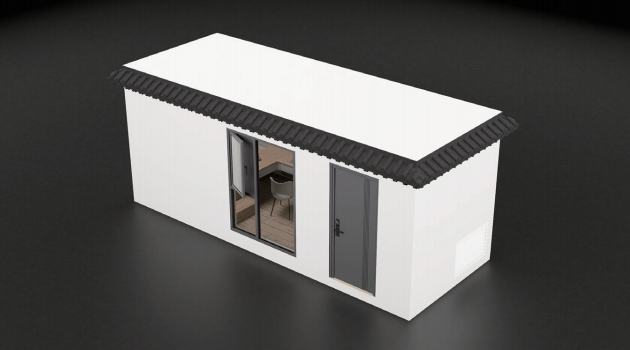
1.Pre-Installation Preparation
Before installation begins, proper preparation ensures efficiency and safety:
- Verify all components, including wall panels, columns, roof panels, doors, windows, bolts, and connectors
- Prepare tools such as wrenches, drills, screwdrivers, and leveling tools
- Choose a flat, solid, and stable ground
- Check weather conditions (avoid heavy rain or strong winds)
- Review the architectural drawings and installation manual
Good preparation helps avoid delays and ensures structural integrity.
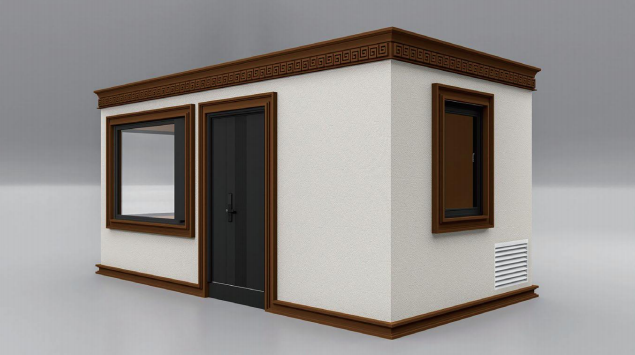
2.Ground Leveling and Site Layout
A stable foundation is the key to long-term structural safety:
- Clear the site and level the ground
- Mark installation lines according to engineering drawings
- Install anchor bolts or foundation pads
- Check ground elevation and adjust if necessary
A well-prepared site prevents future issues such as sinking or structural imbalance.
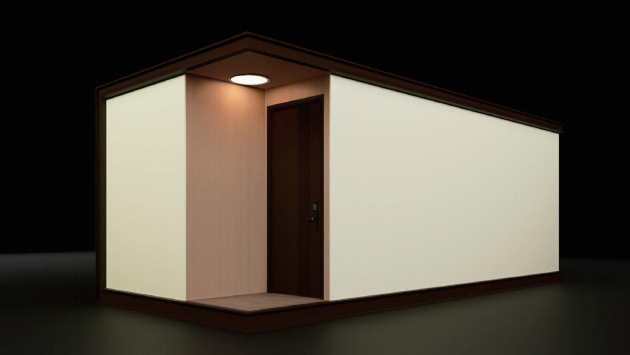
3.Assemble the Base Frame
The base frame is the core load-bearing foundation:
- Position the bottom beams and corner fittings
- Tighten bolts to secure all joints
- Use a level to ensure accurate positioning
- Make sure all beams are aligned and stable
A strong base guarantees long-term performance of the entire modular structure.
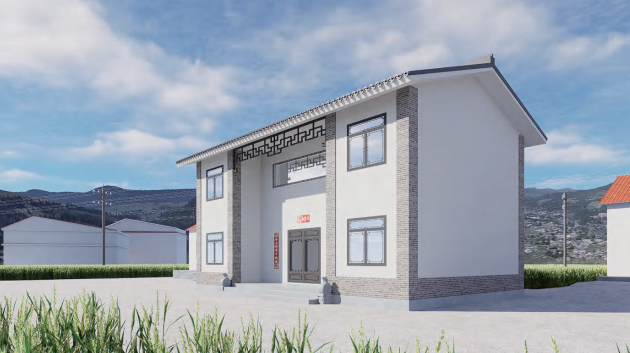
4.Install Wall Panels and Columns
Once the base frame is complete:
- Place vertical columns and begin installing wall panels
- Check the panel alignment and correct positioning
- Ensure each connector is fully tightened
- Install insulation parts and sealing strips correctly
Proper wall installation ensures airtightness, waterproofing, and wind resistance.
5.Roof Installation
The roof prevents leakage and enhances structural strength:
- Install roof beams and connect them securely
- Add roof panels one by one following design direction
- Apply sealing materials at all joints
- Install drainage components if required
A well-installed roof significantly improves weather resistance and lifespan.
6.Install Doors and Windows
- Fix the door and window frames in designated openings
- Ensure all locks and hinges align properly
- Add sealing strips for watertight performance
- Test opening and closing functions
Proper installation improves comfort, insulation, and safety.
7.Final Inspection
Before handing over the modular house, complete a thorough check:
- Are all bolts tightened?
- Are wall panels aligned correctly?
- Is the roof fully sealed?
- Are electrical and plumbing systems installed safely?
- Are doors and windows functioning properly?
Only after all items pass inspection can the unit be put into use.
Key Tips for a Safe and Long-Lasting Installation
To ensure your modular home performs well for years:
- Avoid uneven force during installation
- Tighten all bolts and fasteners
- Double-check the panel orientation
- Strengthen waterproofing around corners and roof joints
- Hire certified professionals for electrical wiring
- Follow official installation drawings and manuals
Small installation errors can lead to major problems—precision is essential.
Where Modular Houses Are Most Commonly Used
Modular housing systems are ideal for:
- Construction site camps
- Mobile and temporary offices
- Worker dormitories
- Mining and energy projects
- Outdoor tourism cabins
- Emergency disaster housing
- Commercial pop-up buildings
Their adaptability makes them suitable for both short-term and long-term accommodation needs.
Conclusion
A properly installed modular house ensures safety, comfort, and long service life. By following the standard installation process—preparation, foundation work, structural assembly, roofing, and final inspection—you can significantly improve the stability and reliability of your modular building.
If you need technical documentation, installation drawings, or a full project solution,
Modular Space Capsules is ready to support your project from design to delivery.
📩 Contact us for engineering support, installation guides, or bulk project pricing.
If you want, I can also create:
✅https://modularspacecapsules.com/modular-homes/
✅https://modularspacecapsules.com/blog/
✅https://modularspacecapsules.com/product/