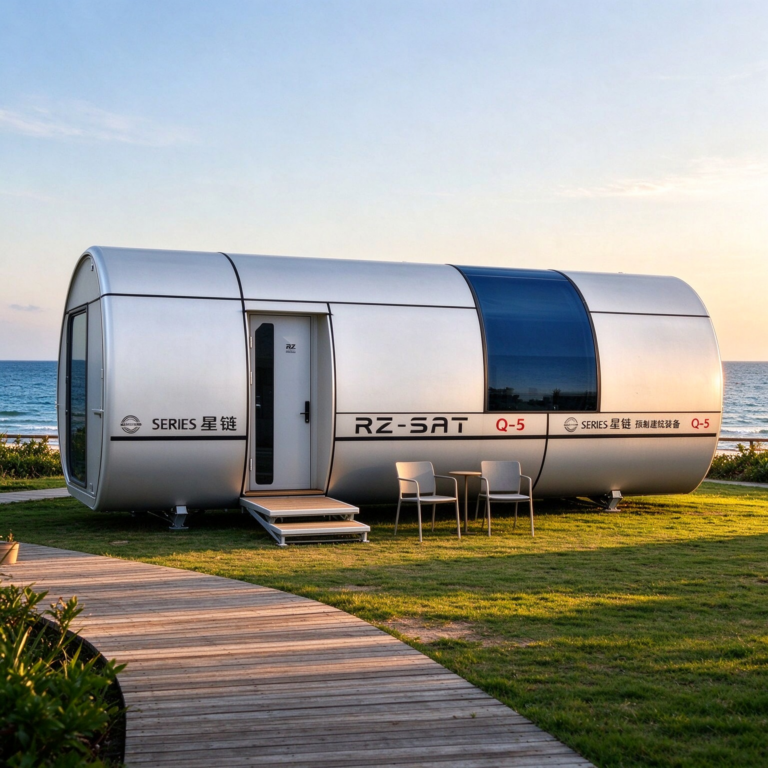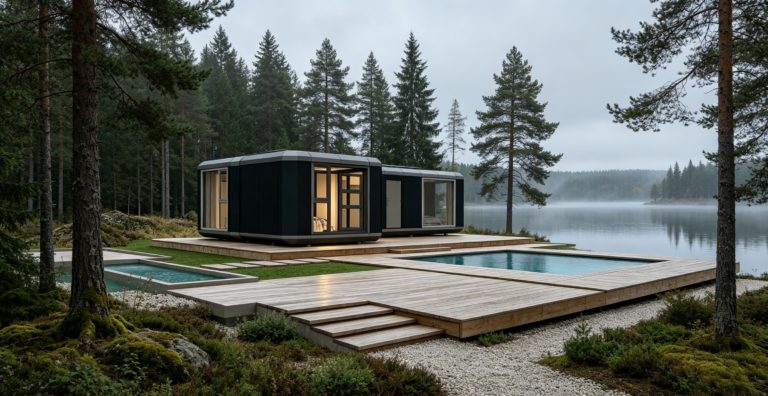

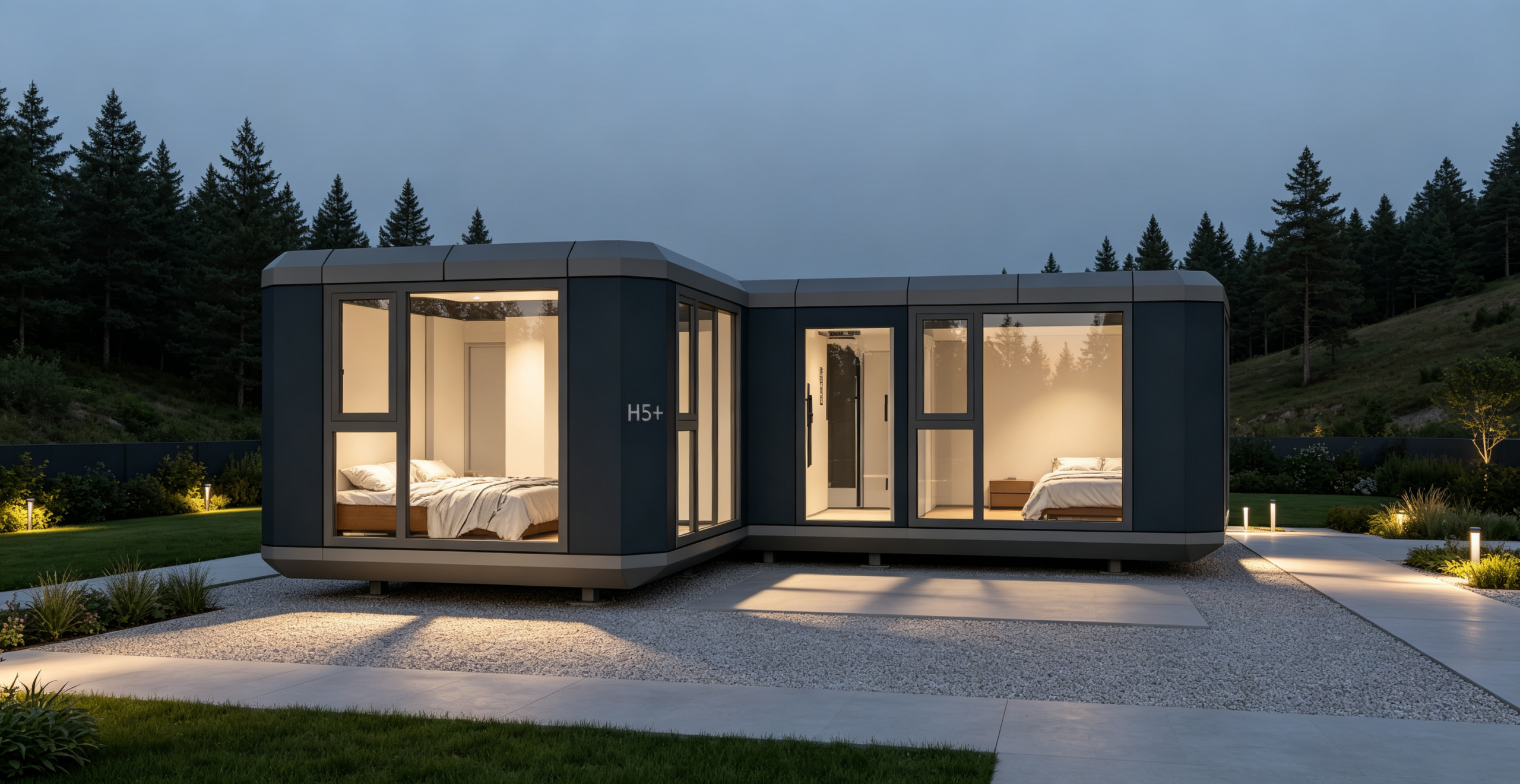
The demand for flexible, efficient, and affordable housing solutions is growing around the world. As construction technology continues to develop, more homeowners and property developers are exploring alternatives to traditional building methods. One solution attracting increasing attention is the prefab house module home.
Combining factory-controlled production, modular construction, and contemporary architectural design, prefabricated homes offer a practical approach to modern housing.
Whether you are planning a private residence, a vacation property, a rental accommodation project, or additional living space, modular housing provides several possibilities worth exploring.
In this article, we will discuss eight important benefits of a prefab house module home and explain what buyers should consider before choosing a modular housing solution.
1. Faster Construction and Installation
One of the biggest advantages of a prefab house module home is its streamlined construction process.
Unlike conventional buildings, which are generally constructed entirely on-site, prefabricated houses are manufactured in controlled factory environments. Individual modules or structural components are then transported to the project location for assembly.
This process can reduce the amount of on-site construction work and help improve project scheduling.
Some potential advantages include:
- Factory-based manufacturing processes.
- Reduced dependence on on-site construction activities.
- More predictable production schedules.
- Simultaneous site preparation and factory production.
- Efficient module assembly and installation.
Actual project timelines depend on customization, transportation, foundation work, utility connections, and local construction requirements.
For property developers working with tight project schedules, this construction approach can be particularly attractive.
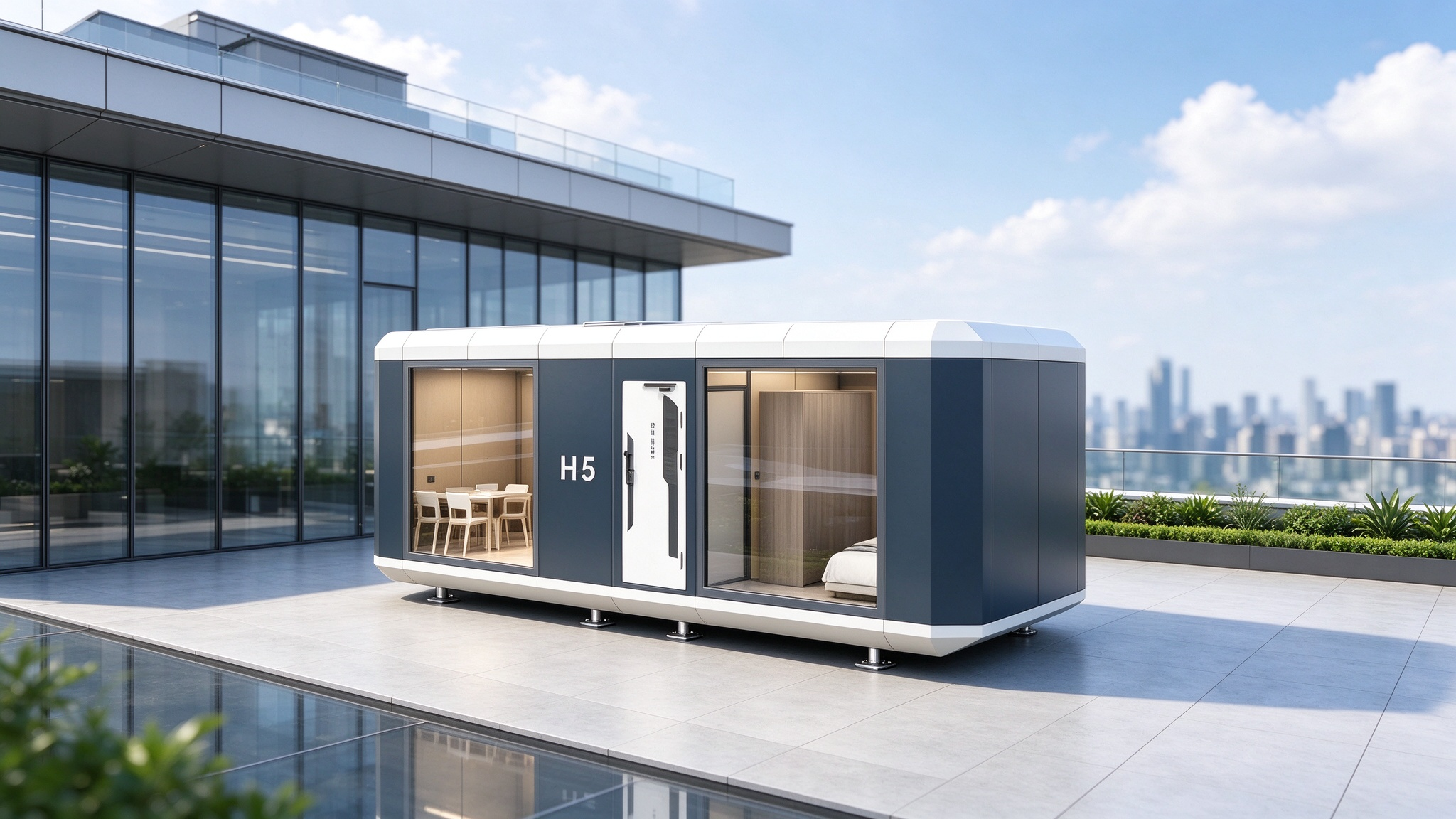
2. Flexible Modular Designs for Different Needs
Another important benefit of modular housing is design flexibility.
A prefab house module home can be designed around different living requirements, from compact residential units to larger multi-module buildings.
Depending on the manufacturer, buyers may be able to customize:
- Overall house dimensions.
- Number of bedrooms and bathrooms.
- Kitchen and living room layouts.
- Window and door configurations.
- Exterior finishes and colors.
- Interior materials and furniture.
Multiple modules can also be combined to create larger living spaces.
This makes modular construction suitable for different applications, including private residences, vacation homes, staff accommodation, and commercial developments.
With a well-planned layout, modular homes can provide both functionality and contemporary visual appeal.
3. Potentially Better Cost Control
Construction budgets are an important consideration for homeowners and property investors.
A prefab house module home may offer opportunities for better cost planning because many components are manufactured through standardized factory processes.
Potential cost advantages include:
- More predictable material requirements.
- Standardized manufacturing procedures.
- Reduced on-site labor requirements in certain projects.
- Less material waste through controlled production.
- Easier budgeting for repeatable module designs.
However, prefabricated housing is not automatically cheaper than traditional construction.
The final price depends on the house size, structural materials, customization level, transportation distance, installation, land preparation, and local regulations.
Before making a purchase, request a detailed quotation that clearly separates manufacturing, shipping, foundation, installation, and utility costs.
4. Consistent Manufacturing Quality
Quality control is another reason buyers consider modular construction.
Because many prefabricated components are manufactured in factory environments, manufacturers can establish standardized production procedures and inspection processes.
This may help improve consistency across different units.
When evaluating a prefab house module home, pay attention to:
Structural Materials: Ask about the main structural system, material specifications, and load-bearing design.
Insulation Performance: Check whether the insulation is appropriate for the local climate.
Waterproofing: Review roof, wall, window, and floor waterproofing details.
Electrical Systems: Confirm electrical standards and compatibility with the destination country.
Interior Finishes: Inspect flooring, cabinetry, doors, windows, and bathroom fittings.
A professional manufacturer should be able to provide technical specifications and quality documentation for its products.
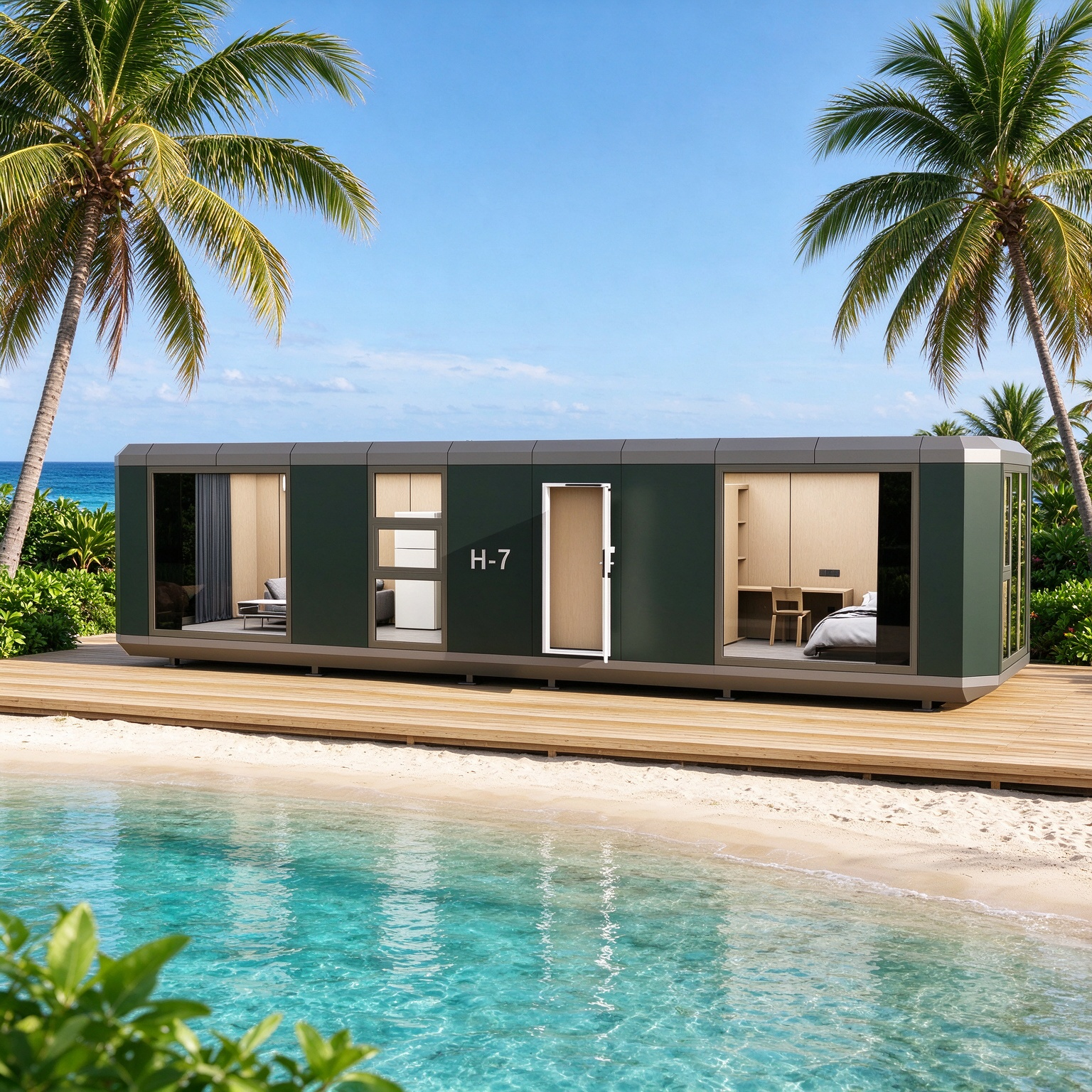
5. Modern Architecture and Comfortable Interiors
Prefabricated homes are no longer limited to basic rectangular structures.
Modern modular housing can incorporate stylish architectural designs, functional interiors, and attractive exterior finishes.
Popular design features include:
- Large windows for natural lighting.
- Open-plan living areas.
- Contemporary exterior finishes.
- Space-saving furniture.
- Integrated kitchen and bathroom layouts.
- Modern lighting and ventilation systems.
These features help create comfortable spaces while maintaining efficient use of building materials and floor areas.
Whether you prefer a minimalist home, a modern family residence, or a compact holiday property, modular designs can offer different architectural possibilities.
6. Suitable for Residential and Commercial Applications
One major advantage of a prefab house module home is its wide range of potential applications.
Instead of serving only as a private residence, modular buildings can support different business and property development projects.
Private Residential Housing
Modular homes can provide practical living spaces for individuals, couples, and families.
Vacation Homes
They can be used to create holiday properties in suitable countryside, coastal, or recreational locations.
Hotels and Resorts
Hospitality businesses may use modular units to develop guest accommodation and expand their room capacity.
Worker and Staff Accommodation
Construction companies, industrial facilities, and remote projects may consider modular buildings for temporary or permanent staff housing, subject to local requirements.
Office and Commercial Spaces
Larger modular configurations can also be adapted for offices, meeting rooms, and other commercial applications.
This versatility makes prefabricated buildings an interesting option for both individual buyers and commercial investors.
7. More Efficient Material and Resource Management
Sustainable construction is becoming increasingly important in the building industry.
Factory-based production can help manufacturers manage material usage and reduce certain types of construction waste.
A prefab house module home may also incorporate energy-efficient features that improve its long-term environmental performance.
Examples include:
- High-performance insulation.
- Energy-efficient windows and doors.
- LED lighting systems.
- Water-saving fixtures.
- Efficient heating and cooling equipment.
- Solar power compatibility.
The environmental benefits depend on the materials used, manufacturing processes, transportation distance, building lifespan, and energy consumption.
For buyers interested in sustainable housing, it is worth comparing the actual material specifications and energy performance of different modular home products.
8. Scalable Solutions for Future Development
Modular construction can be particularly useful for projects that need flexible expansion.
Instead of constructing an entire large building at once, some projects can be developed in stages using additional modules.
For example, a hospitality business may begin with a small number of guest units and expand as demand increases.
Similarly, a residential project may combine different module sizes to create more bedrooms, shared areas, or additional functional spaces.
This scalable approach can help developers plan projects according to available budgets and future requirements.
However, expansion depends on the structural system, connection design, site layout, and applicable building regulations.
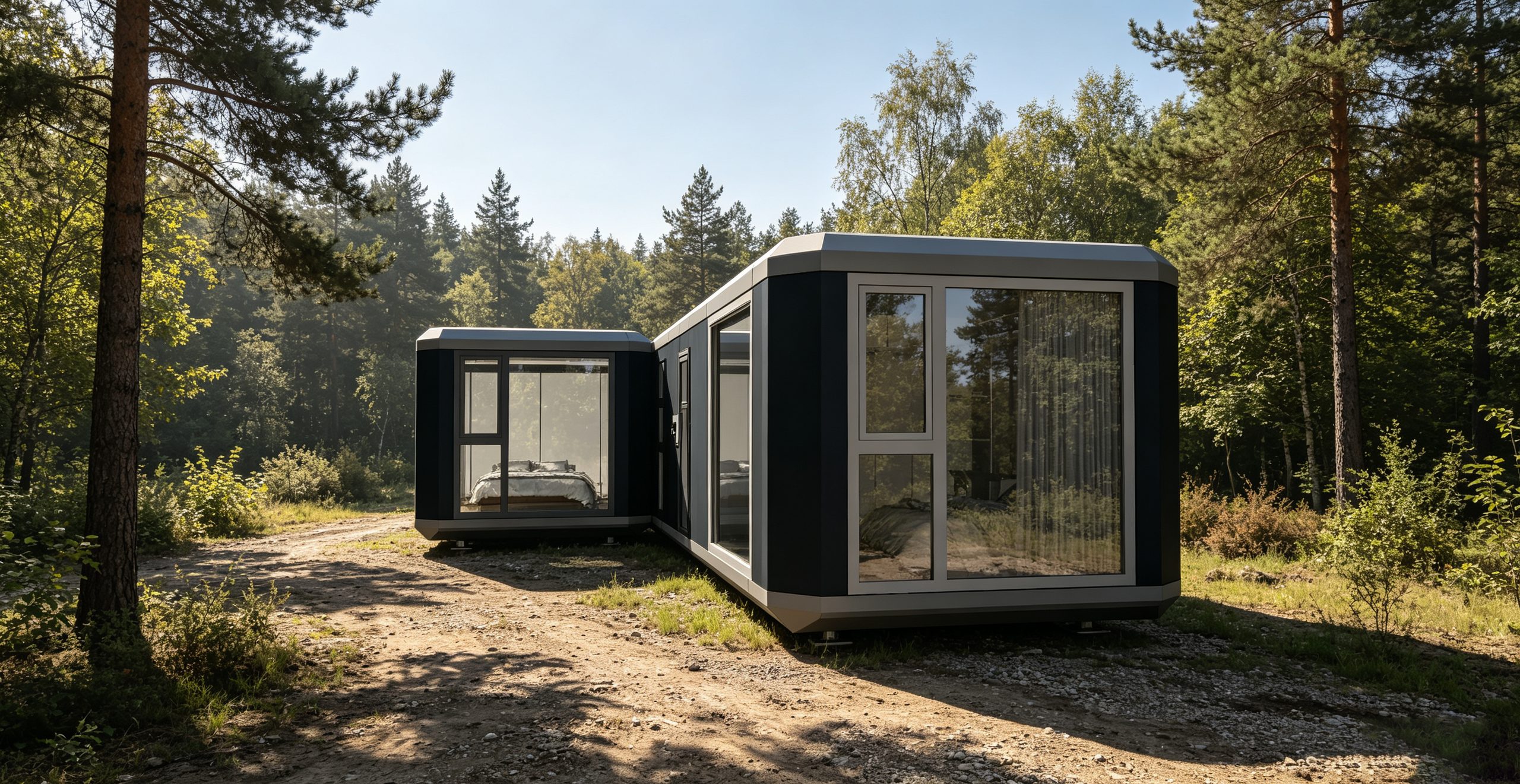
Is a Prefab House Module Home the Right Choice?
A prefab house module home can be an attractive solution for people and businesses looking for flexible construction methods and modern building designs.
It offers potential advantages in manufacturing efficiency, project planning, design flexibility, and application diversity.
For homeowners, it can provide an alternative to conventional residential construction.
For property developers, modular buildings may offer a practical way to create residential communities, hospitality accommodation, or commercial spaces.
However, the right solution depends on your budget, location, project requirements, and local construction regulations.
The best approach is to compare different modular designs and evaluate their materials, specifications, installation requirements, and long-term value.
Abschließende Überlegungen
The prefab house module home is an increasingly interesting option in modern construction. By combining factory-based manufacturing with flexible modular design, it offers new possibilities for residential and commercial building projects.
From private homes and vacation properties to hotels and staff accommodation, modular construction can support a wide variety of applications.
If you are considering a prefabricated housing project, take time to explore different models, compare manufacturers, and choose a solution that balances quality, functionality, design, and budget.
A well-designed modular home is not simply a faster building solution. It can also be a practical foundation for more flexible living and property development.
https://www.facebook.com/profile.php?id=61595283011627&sk=photos_by