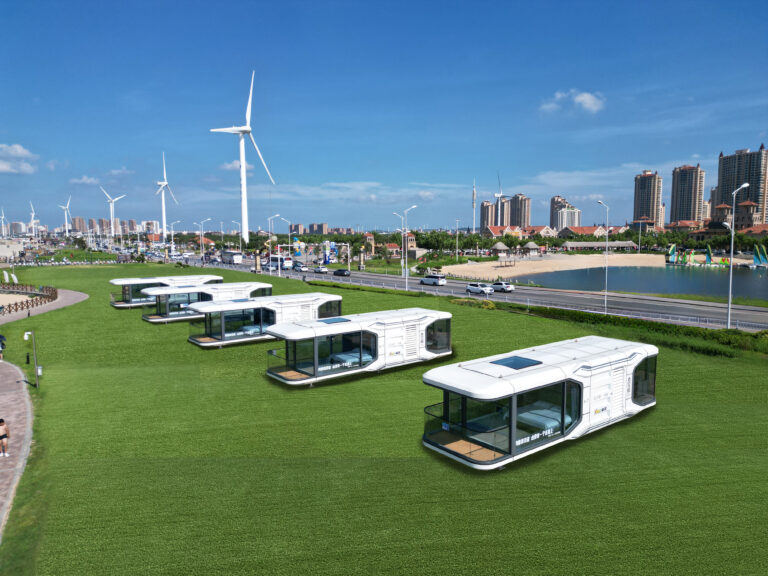

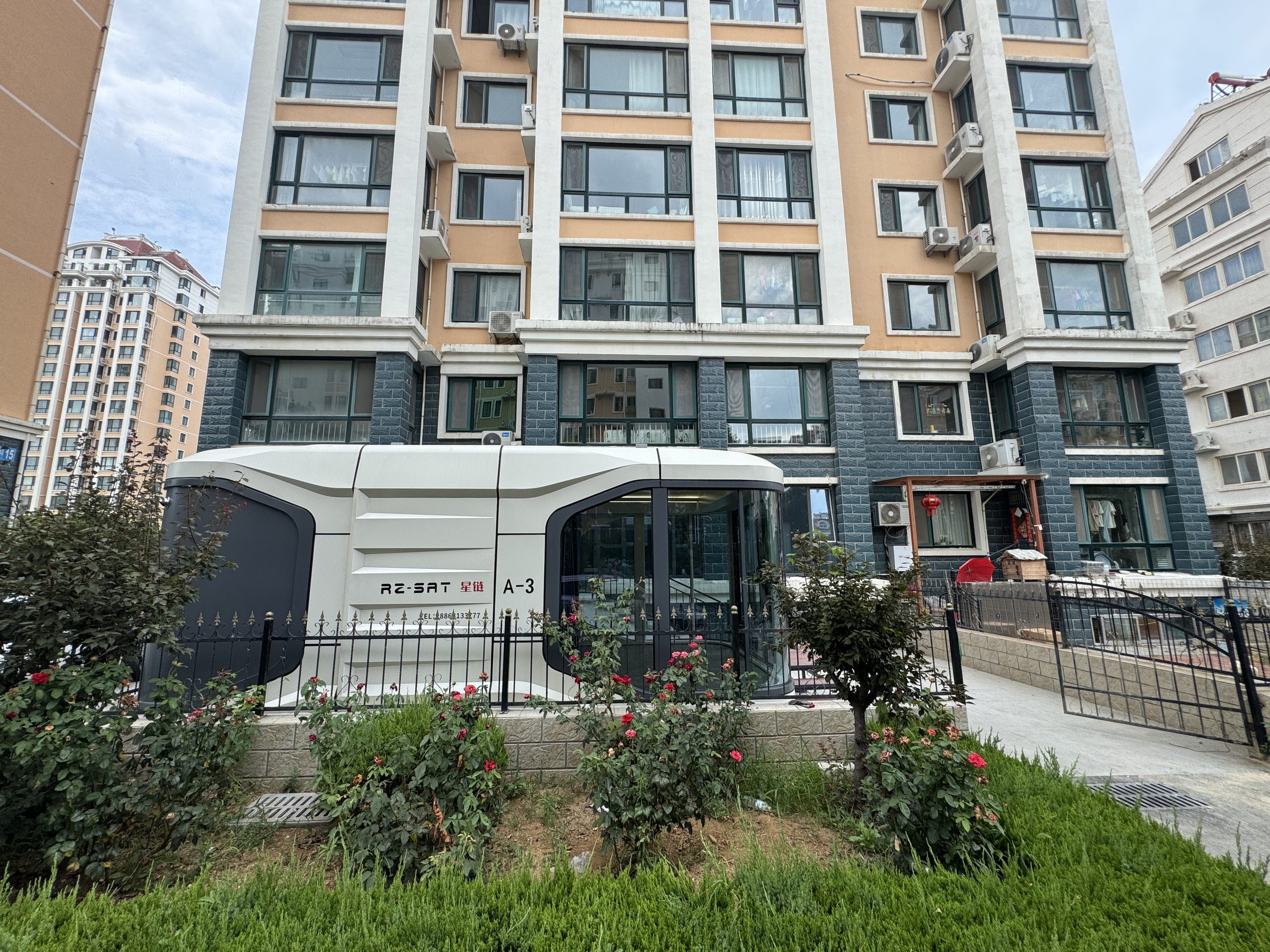
In recent years, the construction industry has undergone a significant transformation, shifting from traditional time-consuming, high-waste building methods to efficient, eco-friendly modular alternatives. Among these innovations, prefabricated houses have emerged as a leading trend, gaining massive popularity across residential, commercial, and public sectors worldwide. Far from the old stereotype of flimsy temporary cabins, modern prefabricated houses are durable, customizable, energy-efficient, and budget-friendly, redefining the future of construction.
If you’re exploring flexible, low-cost, and sustainable building options for personal, business, or emergency use, a prefabricated house is undoubtedly the optimal choice in 2026. This guide will walk you through everything you need to know about prefabricated houses, including their core advantages, versatile applications, common types, and why they outperform traditional buildings.
What Is a Prefabricated House?
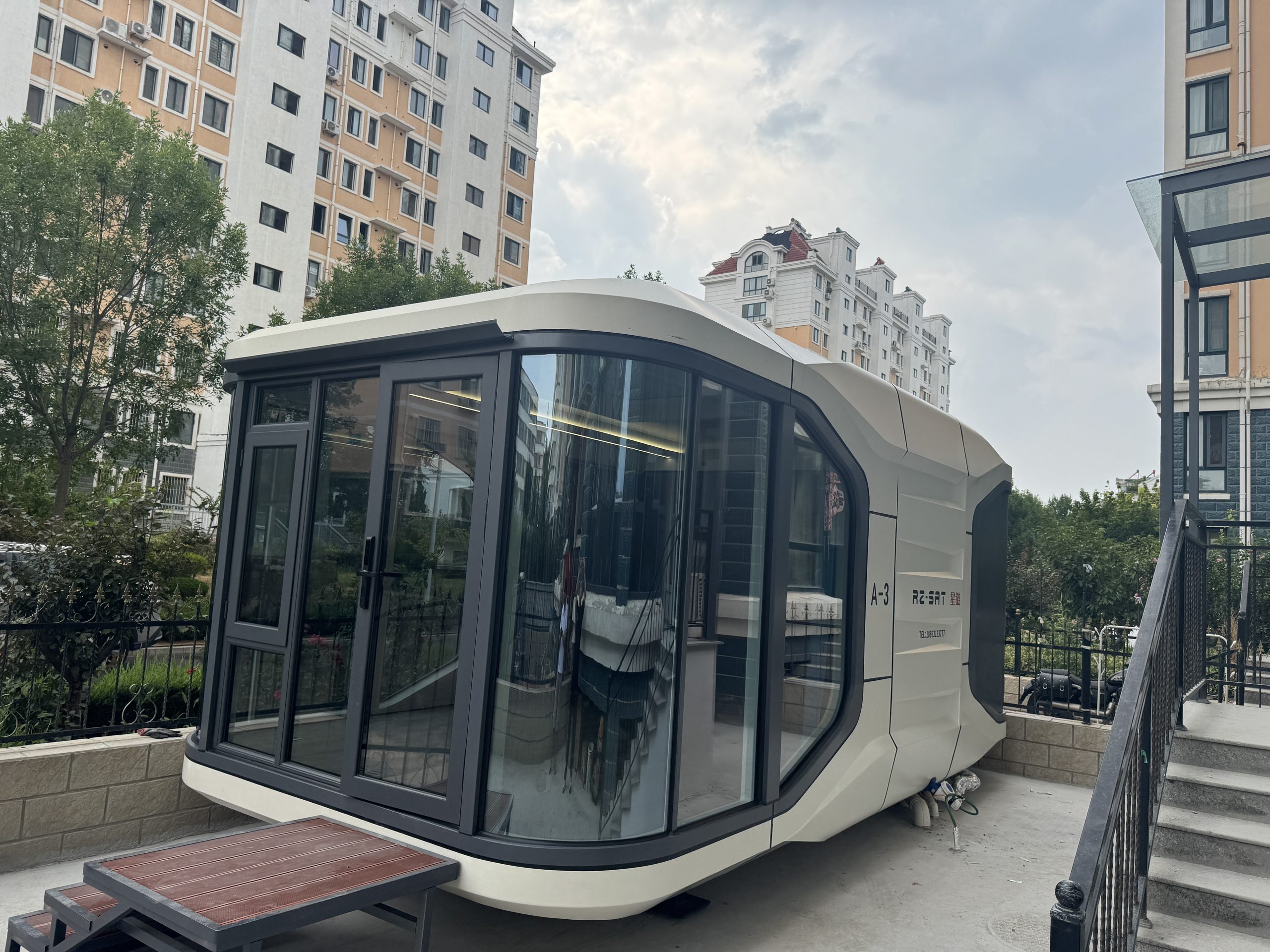
A prefabricated house (commonly known as a prefab house) is a modular building structure manufactured with standardized components in a factory-controlled environment. All core parts, including wall panels, roof frames, floor systems, and internal utility pipelines, are pre-produced in factories, then transported to the construction site for quick assembly and completion.
Unlike traditional on-site construction that relies heavily on manual labor and is vulnerable to weather delays, prefab housing adopts a “factory prefabrication + on-site assembly” model. This streamlined process greatly simplifies the building procedure, shortens the entire project cycle, and ensures consistent construction quality. With advanced manufacturing technology, modern prefab houses fully meet international safety, fireproof, waterproof, and seismic standards, suitable for both temporary and long-term permanent use.
Core Advantages of Prefabricated Houses (2026 Updated)
The booming global demand for prefabricated houses stems from their comprehensive advantages over traditional buildings in cost, efficiency, environmental protection, and flexibility. Here are the key benefits that make them a top choice in the modern construction market:
1. Ultra-Fast Construction & High Efficiency
Speed is the most prominent advantage of prefabricated houses. Traditional residential or commercial building projects usually take 2–3 years to complete, while prefab house projects can be finished within1–4 weeks for standard units, and large-scale modular projects can be delivered in less than one year. Factory mass production avoids weather, season, and on-site labor restrictions, and on-site assembly requires only 50% of the workforce compared with traditional construction, greatly improving project efficiency and shortening delivery cycles.
2. Significant Cost Savings
Prefabricated houses deliver full-lifecycle cost advantages for users. Standardized factory production realizes scale economies, effectively reducing material waste and manual construction costs. Statistics show that prefab buildings can cut overall construction costs by 10%–30% compared with traditional buildings. Additionally, their lightweight and modular structure reduces foundation processing costs, and the integrated energy-saving design lowers daily operation and maintenance expenses in the long run.
3. Eco-Friendly & Low-Carbon
Sustainability is the core development trend of the 2026 prefab housing industry. Centralized factory production minimizes on-site construction pollution, including noise, dust, and construction waste. Prefab buildings produce nearly 70% less construction waste than traditional buildings, and most steel frames and modular components are recyclable and reusable. Meanwhile, modern prefab houses adopt high-performance thermal insulation materials, effectively reducing energy consumption for heating and cooling, fitting perfectly with global low-carbon and green building policies.
4. Flexible Customization & Wide Adaptability
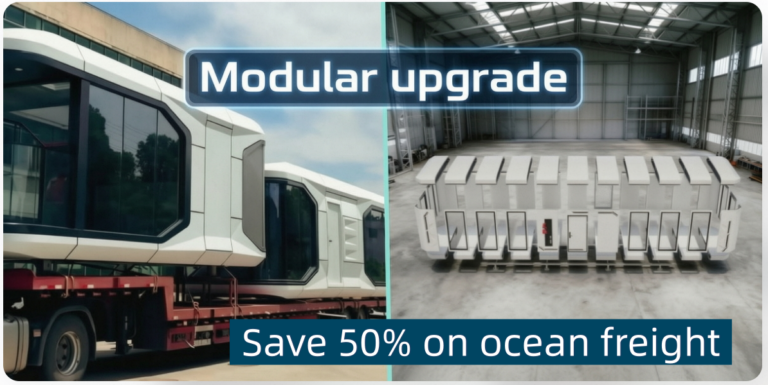
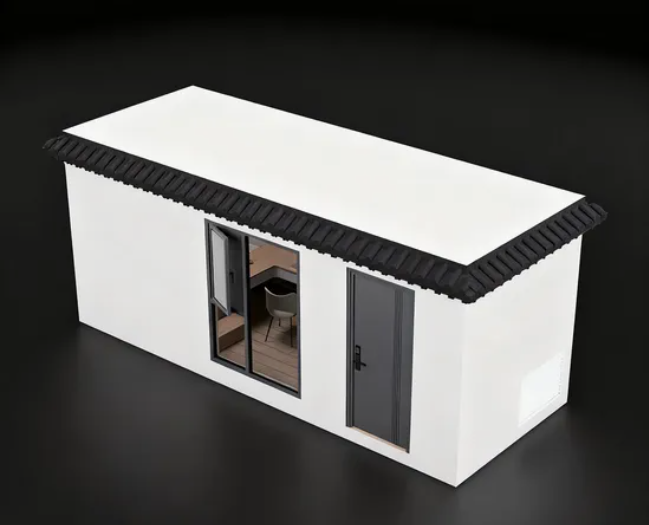
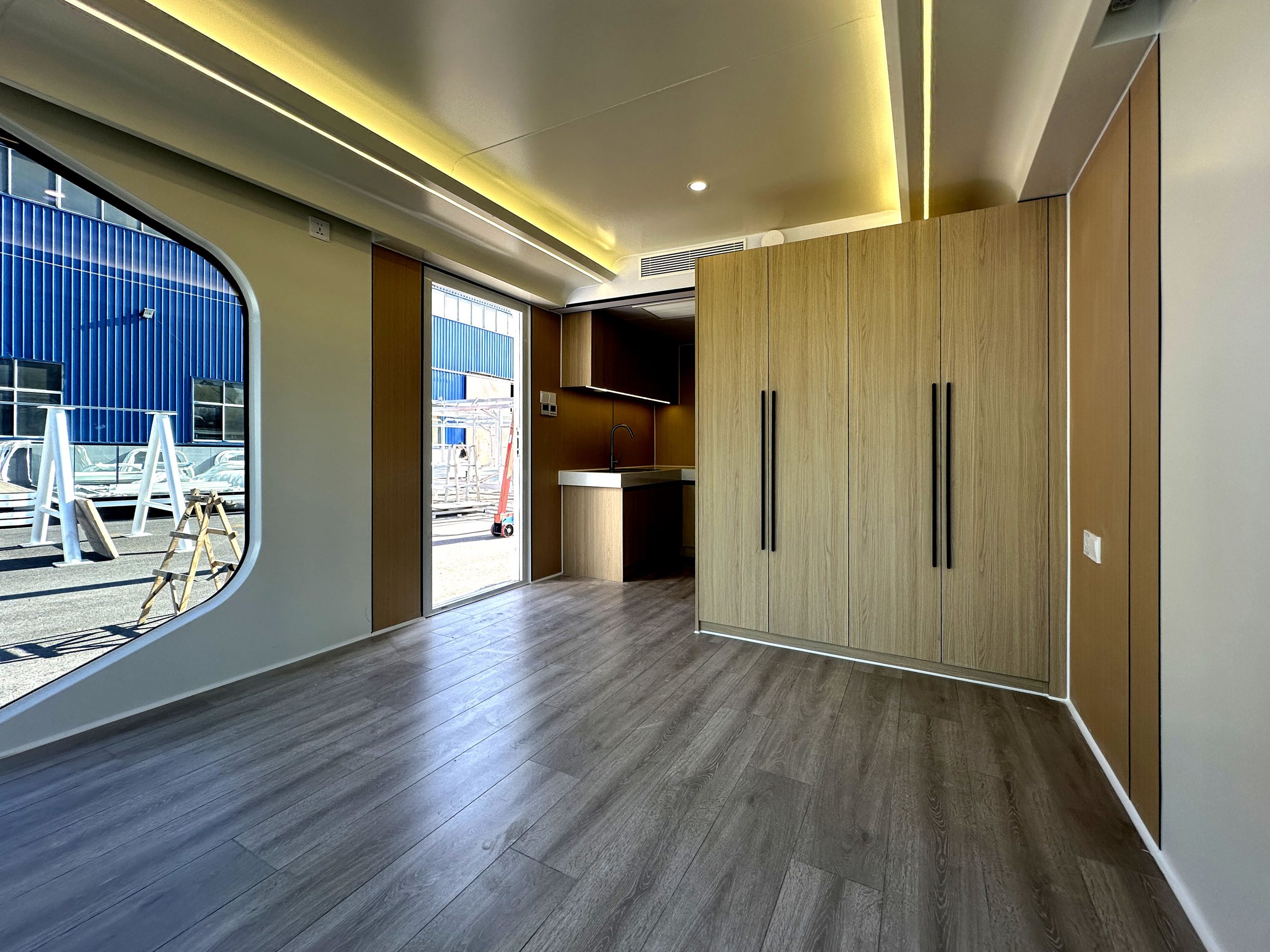
Breaking the limitation of single-style traditional prefab houses, modern prefabricated houses support fully personalized customization. Users can freely adjust the house size, layout, interior decoration, and exterior style according to usage scenarios and aesthetic needs, including modern minimalist villas, cozy residential houses, simple office spaces, and high-end resort lodges. Moreover, the modular structure allows free disassembly, migration, and reassembly, enabling secondary use in different locations and greatly improving space utilization.
5. Superior Safety & Durability
High-quality prefabricated houses adopt high-strength steel structures and high-density fireproof, waterproof, and seismic materials. All components are produced in strict accordance with international building standards, with stable structure, strong wind resistance, seismic resistance, and corrosion resistance. Different from low-grade temporary board houses, modern prefab houses can serve as permanent buildings with a service life of more than 50 years under regular maintenance.
Versatile Applications of Prefabricated Houses
Thanks to their flexible design, reliable performance, and cost-effectiveness, prefabricated houses are widely used in diversified scenarios, covering residential, commercial, industrial, and public welfare fields:
1. Residential Buildings
Including permanent family villas, rural self-built houses, vacation houses, and countryside homestays. Customized prefab residential houses feature diverse styles, comfortable living environments, and short construction cycles, becoming a popular choice for modern family housing construction.
2. Construction Site Facilities
They are the most common temporary building solution for engineering projects, used as worker dormitories, project offices, meeting rooms, warehouses, and canteens. They can be quickly assembled and disassembled to meet the temporary accommodation and office needs of construction teams.
3. Commercial & Tourism Spaces
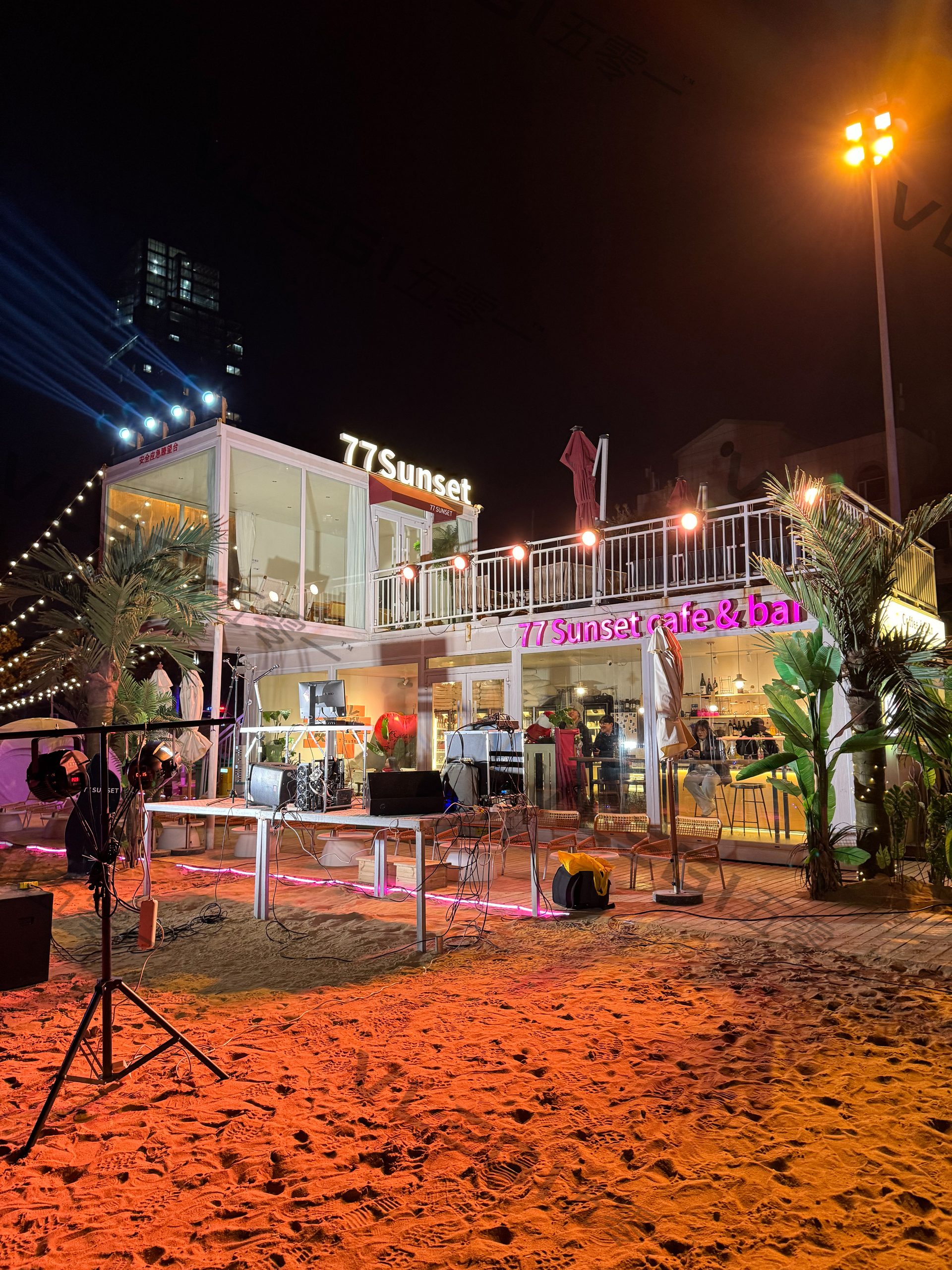
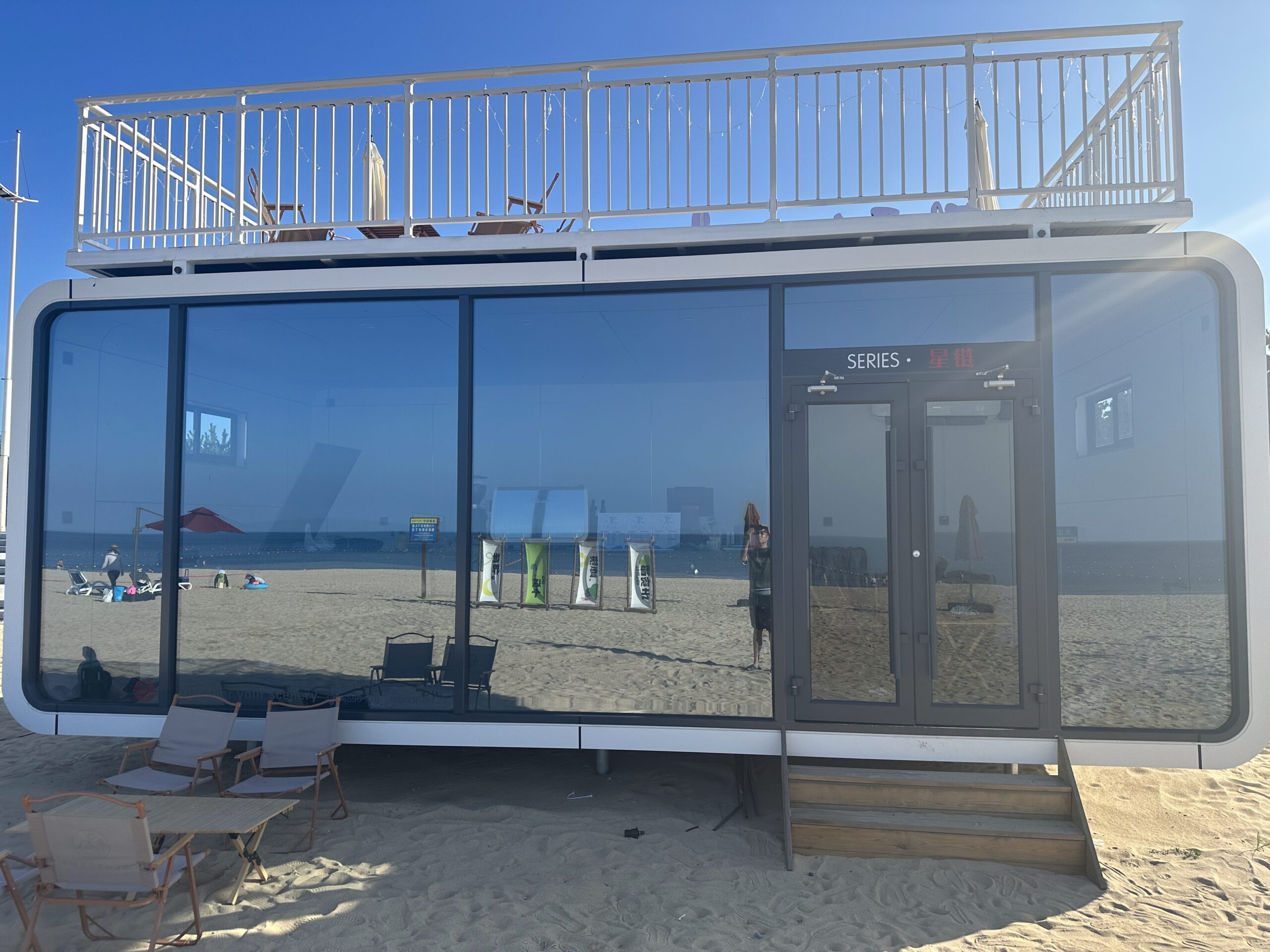
Widely applied in boutique resorts, glamping sites, eco-lodges, pop-up stores, temporary exhibition booths, and roadside cafes. Unique modular designs can create distinctive space styles, helping merchants quickly launch projects and reduce investment costs.
4. Public & Emergency Facilities
Prefabricated houses play an irreplaceable role in public service and emergency rescue. They can be used as temporary classrooms, medical clinics, public rest rooms, and disaster relief shelters. In the event of earthquakes, floods, and other natural disasters, prefab units can be rapidly deployed within days to provide safe and reliable temporary housing for affected populations.
FAQs About Prefabricated Houses
Q1: Are prefabricated houses only for temporary use?
Absolutely not. Modern high-quality prefabricated houses are fully qualified for permanent use. With standard steel structures and high-performance building materials, they have the same safety, durability, and comfort as traditional houses, and can be used for decades as formal residential or commercial buildings.
Q2: Are prefab houses cheaper than traditional houses?
Yes. From overall construction and long-term operation perspectives, prefab houses have obvious cost advantages. They save labor and material costs in the construction stage and reduce energy consumption and maintenance costs in the later stage, with higher cost performance.
Q3: Can prefabricated houses resist extreme weather?
Professional prefab houses are engineered to adapt to various extreme environments. They have excellent wind resistance, seismic resistance, rainproof and corrosion resistance, and can operate stably in high-temperature, low-temperature, and strong-wind areas, meeting global regional environmental adaptation standards.