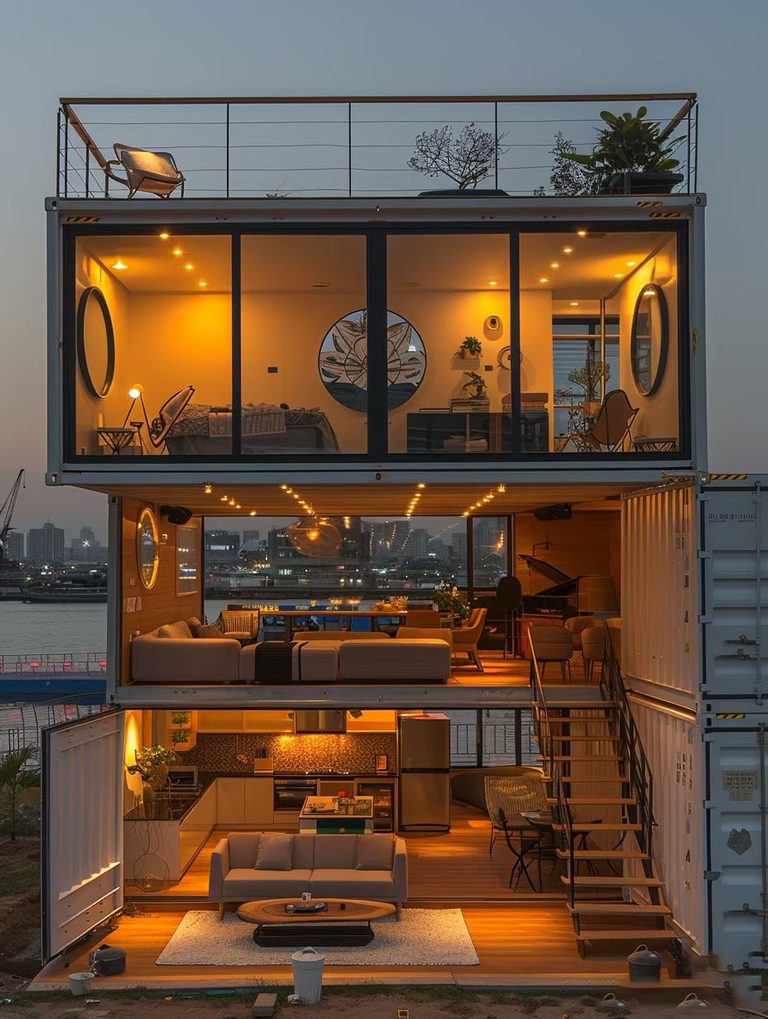

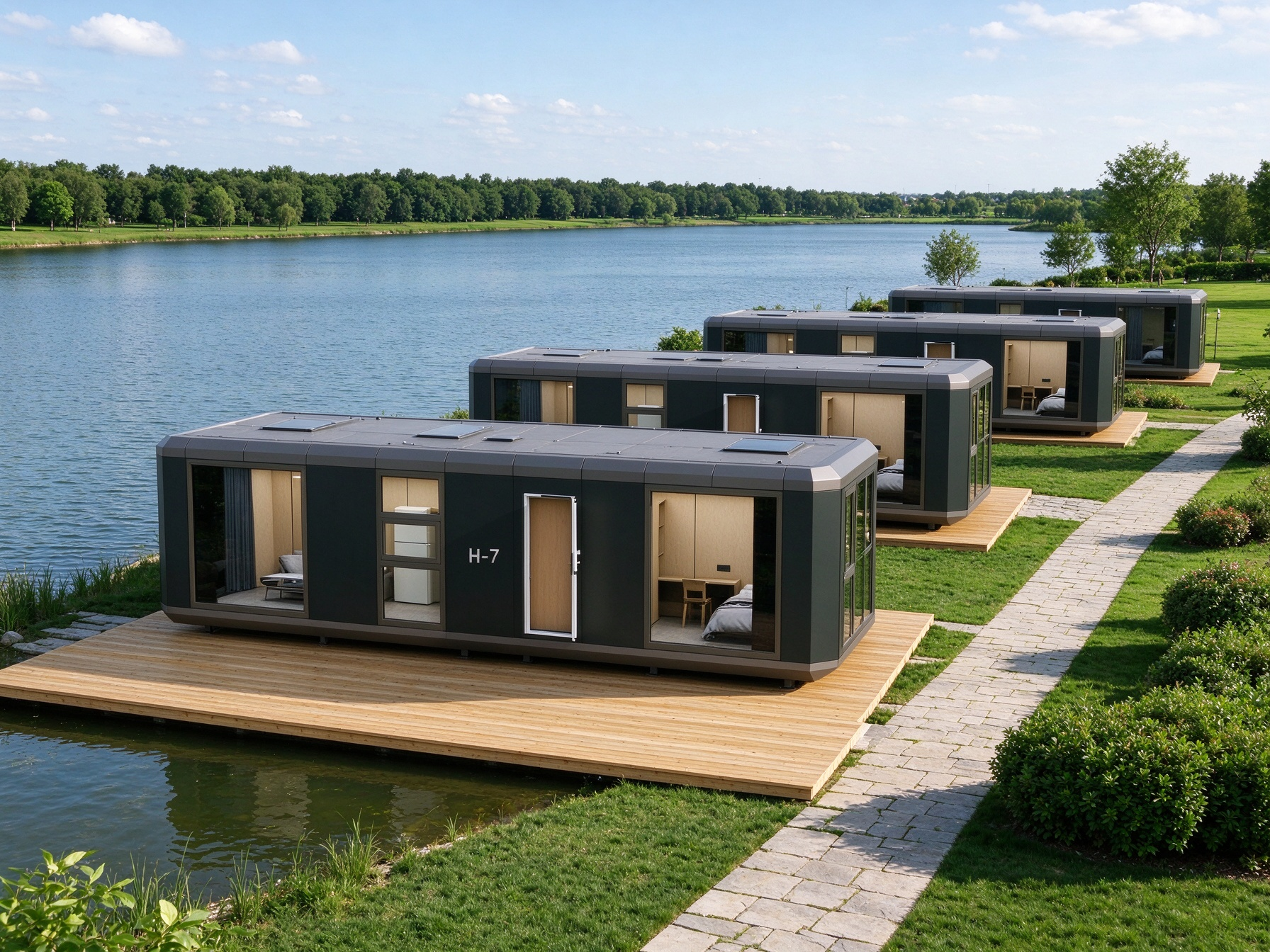
If you are looking for flexible accommodation that can shift with your business plan, a mobile house stands out as a reliable modular solution. Unlike buildings fixed permanently to a concrete foundation, this type of prefabricated unit is engineered for easy lifting, transport and repositioning. Many buyers confuse it with RVs or container cabins, but a well-built mobile house is designed for comfortable long-term occupancy, not just short road trips.
It is especially attractive for projects where land use may change, or revenue follows seasonal demand. Tourism operators, farm owners and construction managers frequently choose this style because it balances livability, mobility and factory-controlled quality. This guide covers seven core points buyers should evaluate before placing an order for a mobile house.
1. It Can Be Relocated When Your Project Needs Change
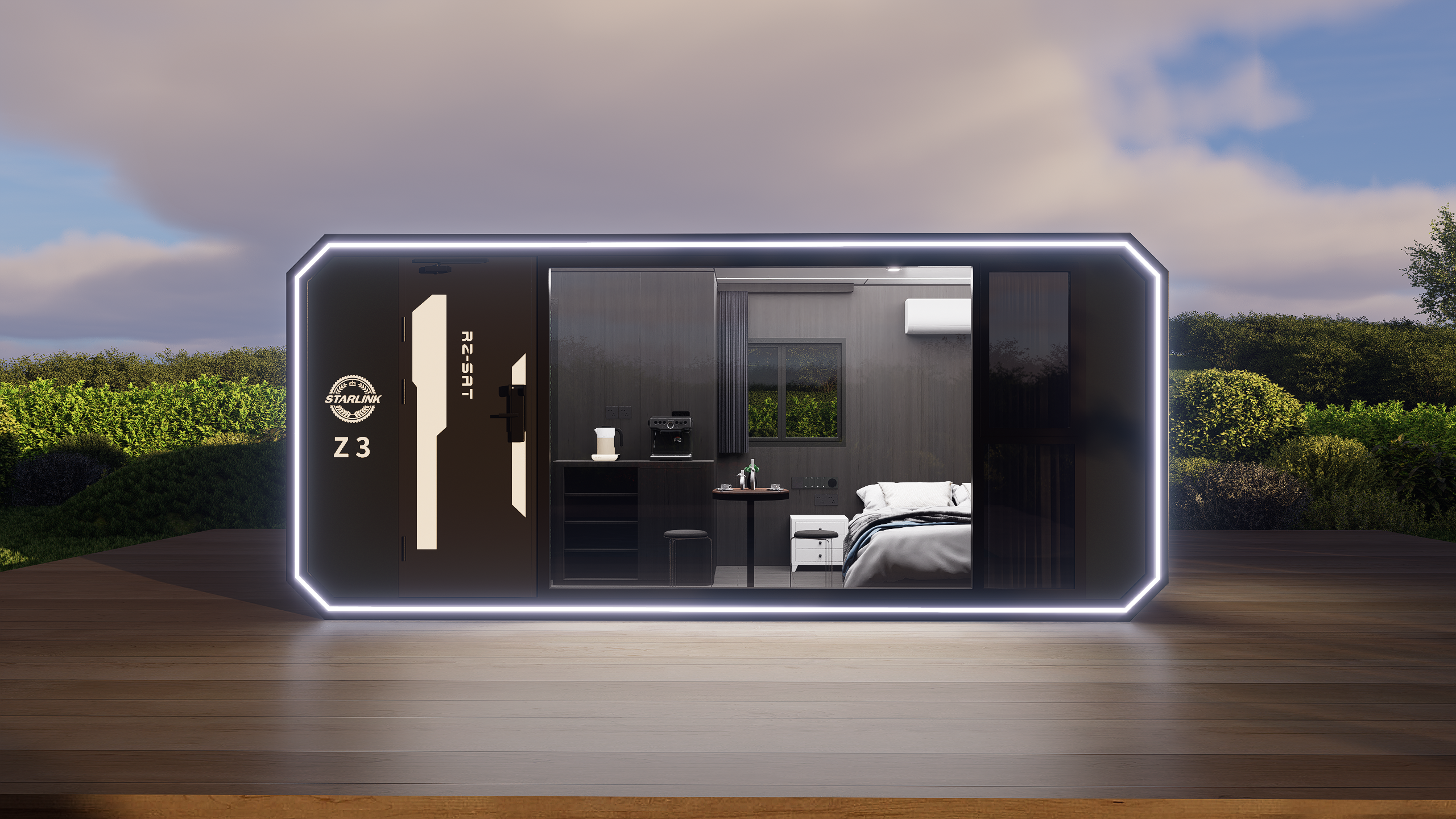
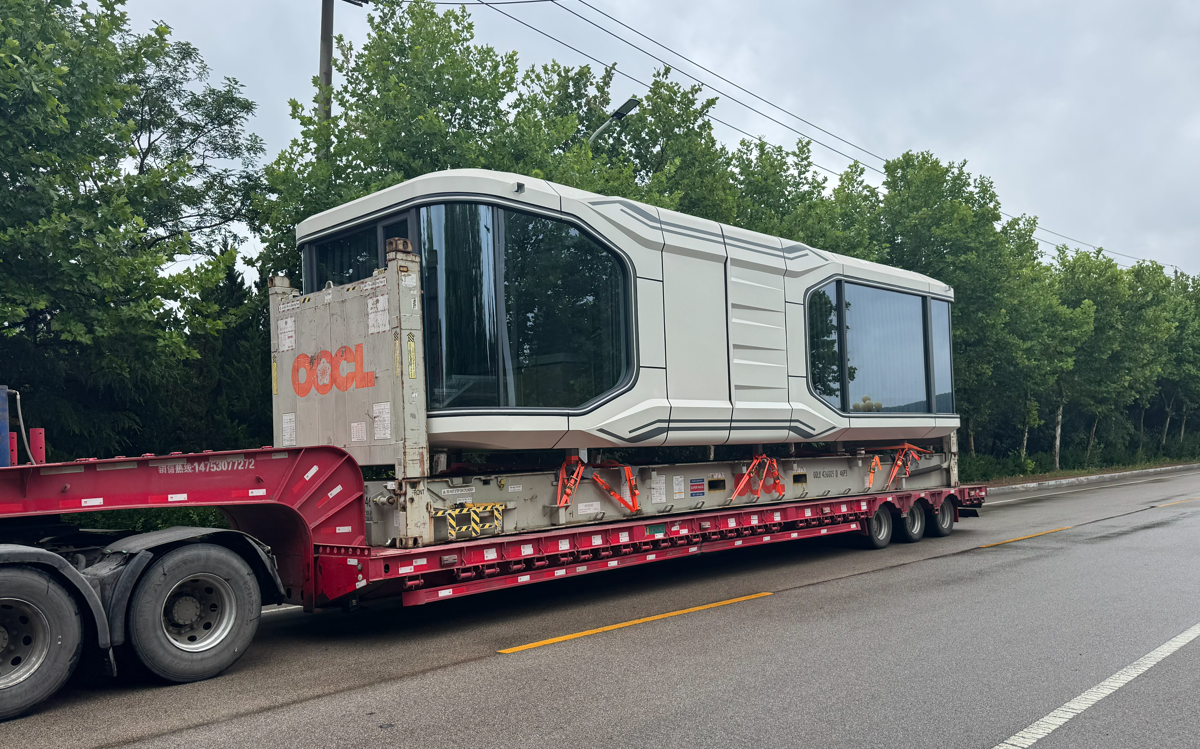
The biggest advantage of a mobile house is its relocation capability. Once your seasonal tourism season ends, a construction camp wraps up, or you decide to redevelop a plot, you do not need to demolish the structure. With proper lifting gear and transport permits, the whole unit can be moved to another site.
This mobility lowers your total investment risk. Instead of pouring money into buildings that become stranded if your land permit expires or your business shifts, you keep the physical asset. Many resort owners start on a trial plot, test booking performance, then move the units to a better location once the concept proves profitable.
That said, relocation is not free. You will need to account for road permits, crane rental, transport fees and reconnection of utilities when planning your budget.
2. Fast Factory Build Means Quicker Revenue
All major fabrication work takes place inside the factory, away from weather delays. Insulation, wall panels, electrical wiring, plumbing runs and interior finishes are installed before shipment. Once the mobile house arrives at your site, the main work is setting it on a suitable base and connecting water, power and drainage.
For seasonal tourism businesses, this timeline is very valuable. You can place your order in off-season months and have guest-ready units in time for peak travel periods. Compared with traditional stick-built cabins, the lead time is dramatically shorter, and on-site labor requirements are much lighter.
3. Flexible Layouts Fit Many Different Use Cases
A mobile house is not limited to one standard layout. Manufacturers can adjust floor plans to match your intended use. Compact single-room versions work well as guest pods or site offices. Larger layouts can include separate bedrooms, a full kitchen, private bathroom and living space.
Common applications include:
- Glamping resort and holiday rental units
- Farm stay accommodation and vineyard guest housing
- Construction site, mining and remote worker camps
- Backyard guest suites, hobby studios and home offices
- Seasonal pop-up retail, visitor information booths
- Temporary emergency shelter and event lodging
Because the shell is modular, you can also add exterior decks, awnings, terraces and shade structures to improve the guest experience without altering the core unit.
4. Light Site Footprint Protects Sensitive Land
One major selling point for eco-resorts is that a mobile house rarely requires a heavy permanent slab foundation. Depending on soil conditions and local codes, screw piles, isolated footings or steel support frames are often enough. These options disturb far less topsoil and vegetation, which is critical for forest, lakeside and coastal sites where environmental protection rules are strict.
When you eventually move the unit, the site can be restored with minimal remediation work. This makes it easier to meet environmental requirements that would rule out conventional brick buildings. It also opens up scenic land that is not approved for permanent heavy construction.
5. Climate Adaptation Is Key to Comfort
A mobile house will not perform the same in every climate. The insulation, glazing, ventilation and plumbing protection must be tailored to your local weather.
Cold regions need thicker insulation, anti-freeze pipe wraps and airtight sealing to stop heat loss and frozen water lines. Hot, humid locations require high-reflective exterior coatings, moisture barriers and steady cross ventilation to prevent condensation and overheating. Cheap units with thin panels often lead to guest complaints, high energy bills and faster wear on interior fixtures.
When you request a quotation, share your climate zone and year-round operating plan. A good factory will adjust the specs instead of offering a one-size-fits-all build.
6. Permit & Zoning Rules Vary Widely Between Regions
Classification is the biggest hidden hurdle for buyers. In some jurisdictions, a mobile house is treated as a temporary structure with simpler approval. In others, any dwelling with plumbing and electricity counts as permanent accommodation, requiring stamped structural drawings, occupancy permits and compliance with local building standards.
Before committing to production, confirm these details with your local planning authority:
- Whether relocatable modular dwellings are allowed on your land
- Approved foundation types and setback rules
- Required engineering certificates and inspection documents
- Restrictions on moving the unit after installation
Skipping this step can lead to unexpected fines, forced removal or costly redesigns.
7. Clear Differences From Container Housing & Tiny Pods
Many buyers compare a mobile house with container cabins and curved capsule pods, and each has its own strengths.
Container modules use rigid ISO steel frames, which are excellent for stacking and joining into multi-room clusters. Curved capsule pods focus on unique visual branding for premium glamping. A mobile house sits between them: it is designed as a complete, relocatable living unit with a conventional residential layout, often with softer interior lines and more flexible room division.
If you plan to move units regularly and want a familiar home-style layout with kitchen and bathroom, a mobile house is usually the practical choice. If your priority is stacking many units or creating eye-catching social media-ready pods, container or capsule-style builds may suit better.
https://www.facebook.com/profile.php?id=61595283011627&sk=photos_by
PREGUNTAS FRECUENTES
Q: Can a mobile house run off-grid?
A: Yes. Most models can be pre-wired for solar panels and paired with rainwater collection and waste treatment systems. Off-grid upgrades should be specified at the design stage for cleaner installation.
Q: How often can a mobile house be moved?
A: Quality steel-framed units can be relocated many times, but frequent moves will wear on seals, plumbing joints and exterior finishes. For permanent long-term placement, you can choose a fixed base setup to reduce ongoing maintenance.
Q: Is customization available for exterior look?
A: Absolutely. You can select different cladding materials, color schemes, window sizes and door positions to match your resort brand or surrounding landscape.