
As housing costs continue to rise and lifestyles become more flexible, more people are exploring alternative ways to live comfortably without owning a large property. One solution gaining attention is the tiny home. Combining practical design, efficient space utilization, and modern aesthetics, these compact houses offer an attractive alternative to traditional housing.
Whether you are looking for an affordable residence, a weekend getaway, a vacation rental, or an additional living space, a tiny home can provide a practical solution for different needs.
But what makes small-scale living so appealing? In this article, we explore nine important reasons why tiny homes are becoming a popular choice for modern homeowners and property investors.
1. Lower Construction and Living Costs
One of the biggest advantages of a tiny home is its potential affordability.
Traditional houses usually require significant investments in construction materials, labor, land preparation, and maintenance. A smaller living space can reduce some of these expenses, making it an appealing option for people who want to manage their housing budgets more effectively.
Depending on the design and specifications, potential cost benefits may include:
- Lower material requirements.
- Reduced construction expenses.
- Smaller furnishing budgets.
- Potentially lower heating and cooling costs.
- Less space requiring regular maintenance.
However, the total investment depends on factors such as building materials, transportation, land, utility connections, and installation.
Choosing a compact house does not necessarily mean sacrificing quality. With the right design and materials, a small property can still deliver comfort, durability, and functionality.
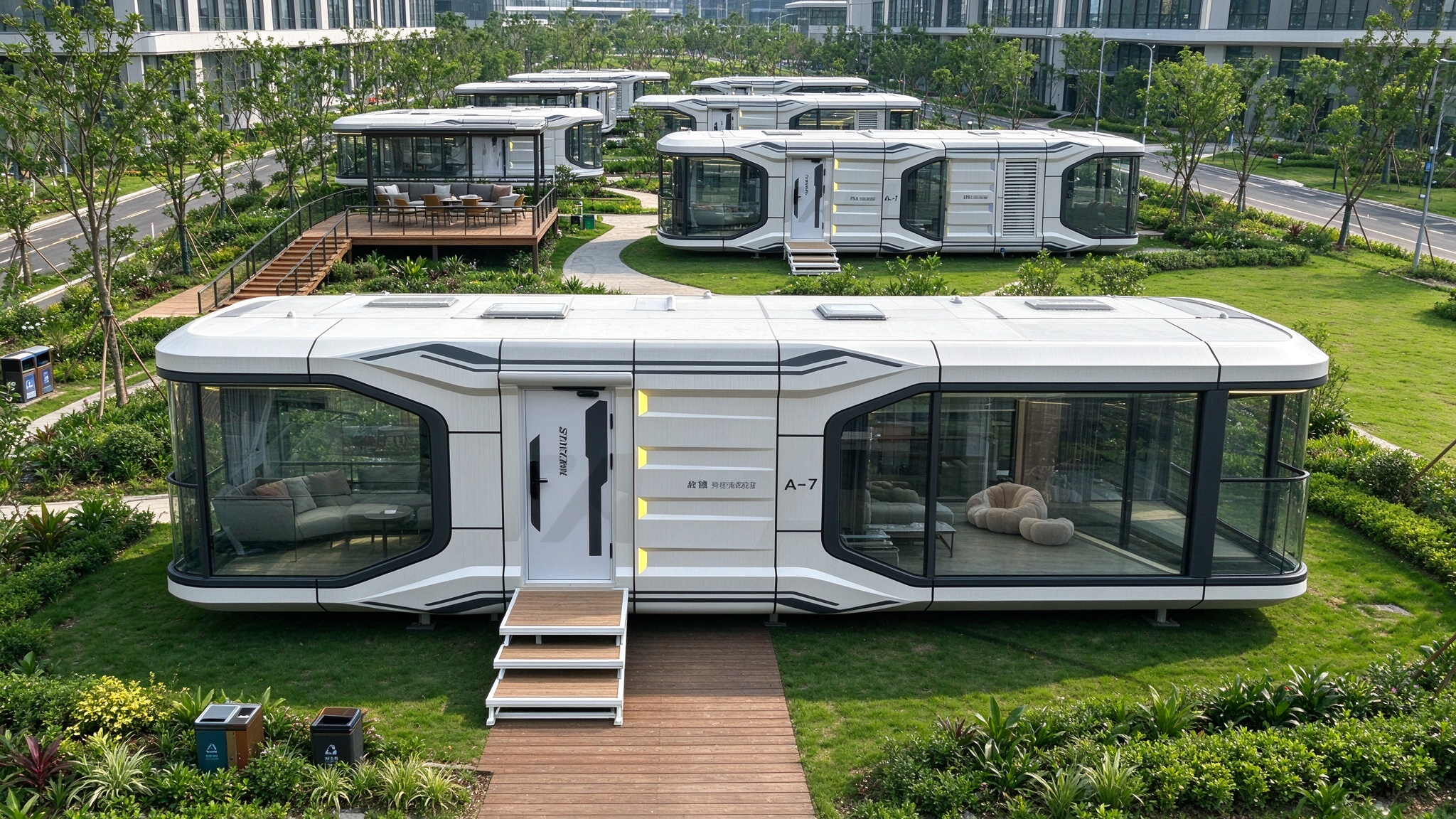
2. Smart Space Design for Comfortable Living
Living in a smaller space requires thoughtful planning, and modern tiny home designs are increasingly focused on maximizing every square foot.
Instead of including unnecessary rooms, designers prioritize multifunctional areas and practical storage solutions.
Popular space-saving features include:
- Foldable dining tables and desks.
- Built-in cabinets and hidden storage.
- Multifunctional furniture.
- Open-plan kitchens and living areas.
- Loft-style sleeping spaces.
- Large windows for natural light.
These features help create an organized interior while making the home feel more spacious.
A well-designed compact house proves that comfortable living depends not only on the size of a building but also on how effectively its space is used.
3. Modern Designs That Match Different Lifestyles
Tiny homes are no longer limited to simple cabins or basic portable structures.
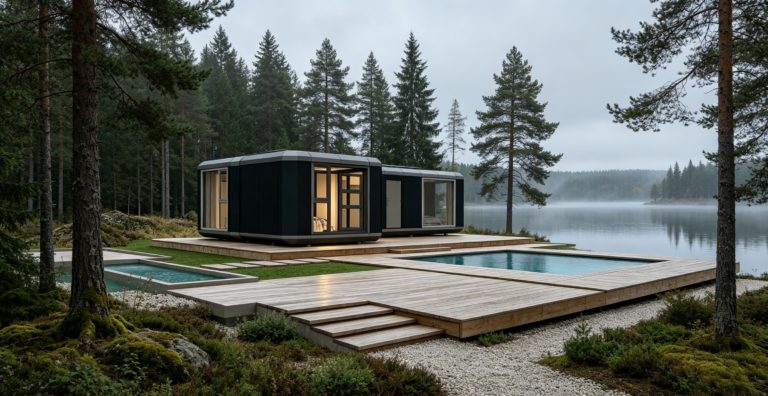
Today, buyers can find a wide variety of contemporary designs featuring clean architectural lines, large windows, modern finishes, and carefully planned interiors.
<图片建议:现代简约风格 tiny home 外观图片,展示大面积玻璃窗和现代建筑设计>
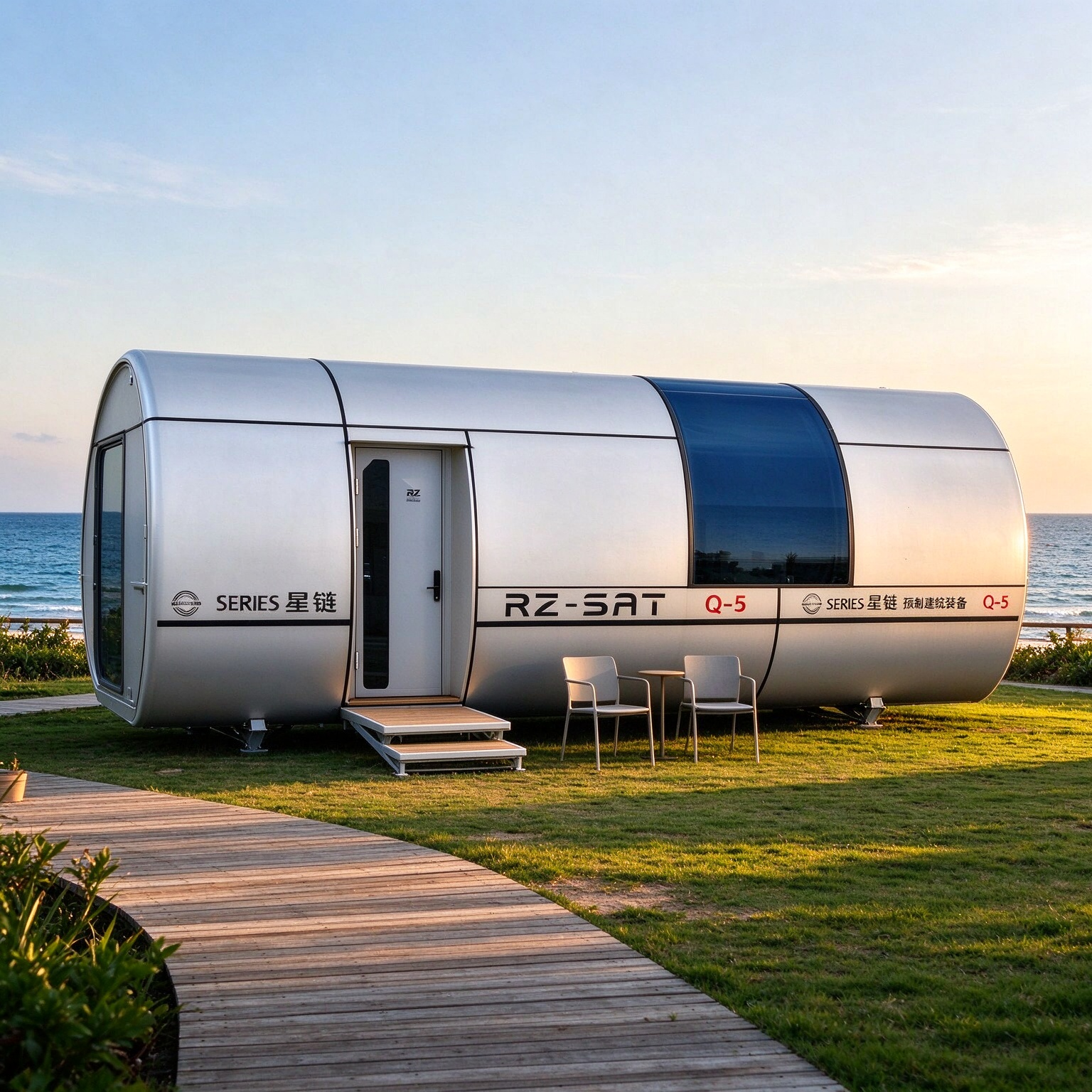
From minimalist wooden cabins to futuristic modular houses, these homes can suit different architectural preferences.
Some homeowners prefer warm natural materials, while others choose modern metal finishes and panoramic glass walls.
With different layouts, colors, and customization options available, it is possible to find a design that matches both personal taste and practical requirements.
4. Energy Efficiency and Sustainable Living
A smaller living area may require less energy for heating, cooling, and lighting compared with a larger home, depending on its construction and local climate.
This makes energy efficiency an important consideration when choosing a tiny home.
Some useful energy-saving features include:
- High-quality insulation.
- Energy-efficient windows.
- LED lighting.
- Efficient heating and cooling systems.
- Water-saving fixtures.
- Solar panel compatibility.
In addition, smaller buildings may require fewer construction materials, although the overall environmental impact depends on manufacturing, transportation, materials, and the building’s lifespan.
For environmentally conscious buyers, choosing durable materials and energy-efficient systems can make compact living more sustainable.
5. Flexible Applications for Residential and Commercial Use
Another reason tiny homes attract attention is their versatility.
They can serve different purposes depending on the property, layout, and local regulations.
Private Residence
For individuals or couples who prefer a minimalist lifestyle, a compact home can provide essential living functions without excessive space.
Vacation Accommodation
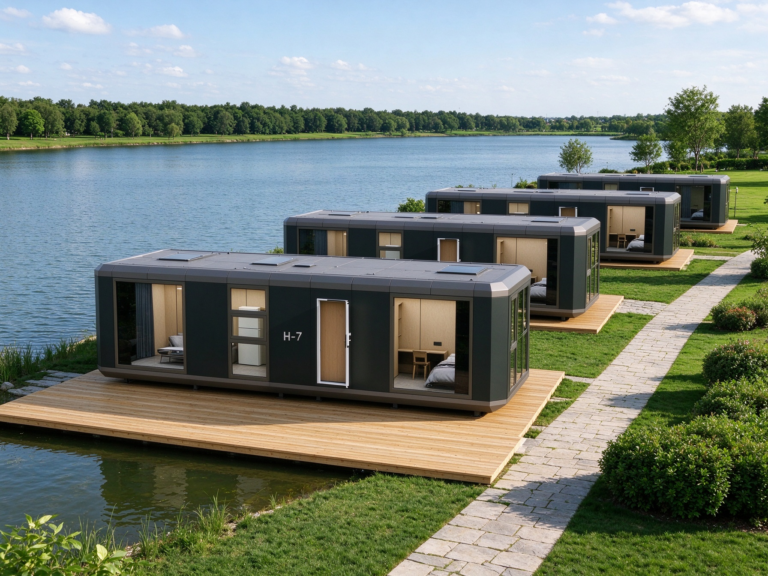
A tiny home can become a comfortable holiday retreat in a countryside, mountain, or coastal setting.
Backyard Guest House
Homeowners with suitable outdoor space may use a small house to accommodate visiting family members or guests.
Rental Investment
Property owners may consider compact homes for short-term accommodation, boutique hospitality projects, or vacation rental businesses.
Remote Work Space
A separate small building can also function as a quiet home office or creative studio.
This flexibility makes compact housing interesting for both individual homeowners and commercial property developers.
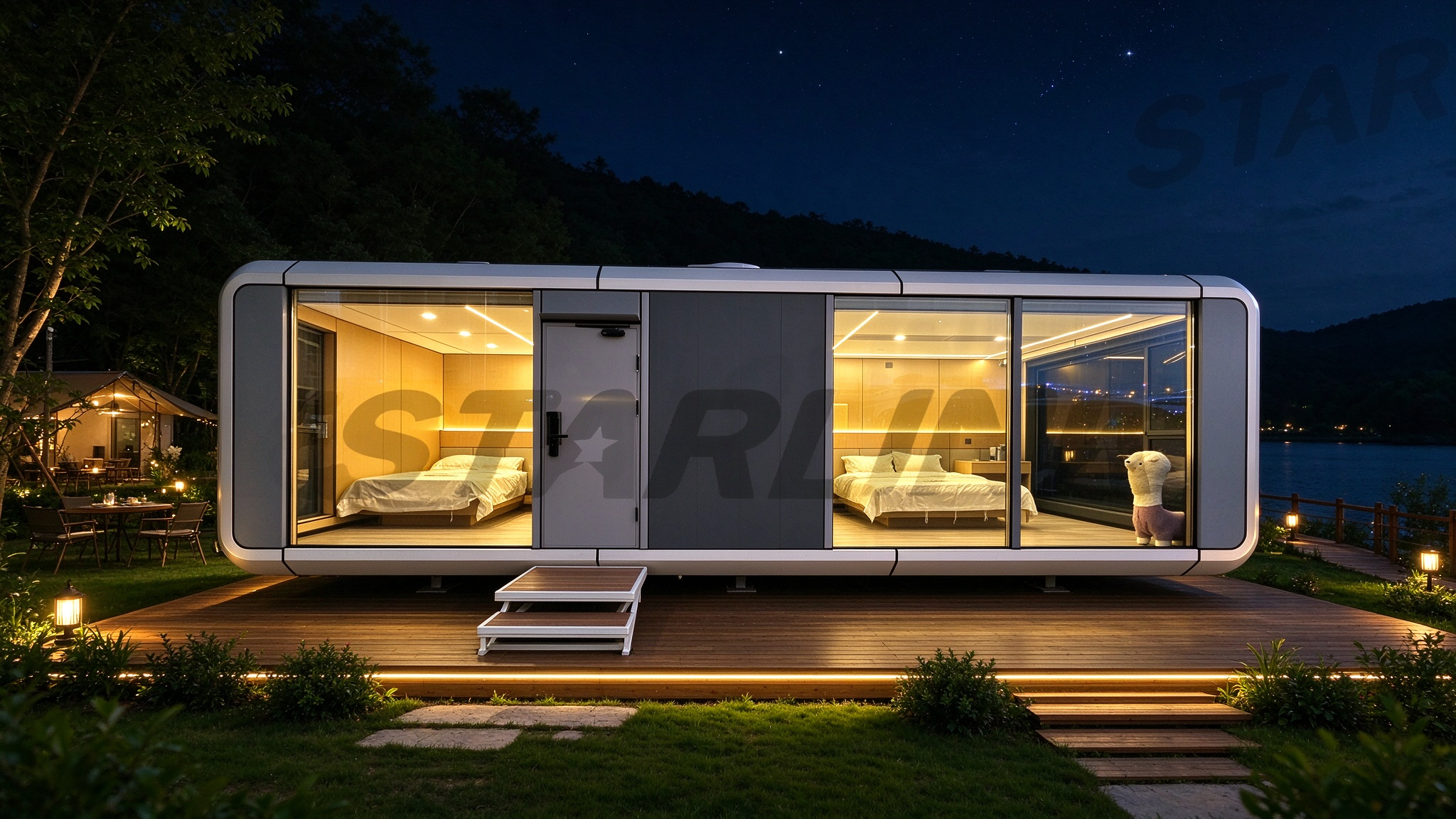
6. Easier Maintenance and Space Management
Maintaining a large property often involves significant time, effort, and expenses.
A tiny home generally has fewer interior areas to clean and organize, which can simplify everyday maintenance.
For busy professionals, retirees, and people who prefer a simpler lifestyle, this can be a meaningful advantage.
A smaller space also encourages homeowners to focus on essential belongings rather than accumulating unnecessary furniture and household items.
With an organized storage system and practical interior layout, daily living can become more convenient and efficient.
7. Greater Flexibility with Modular and Prefabricated Designs
Many modern tiny homes are available in modular or prefabricated formats.
These homes are manufactured partly or entirely in a factory before being transported to the installation location.
This construction approach can offer several advantages:
- More controlled manufacturing conditions.
- Standardized production processes.
- Potentially shorter on-site construction periods.
- Multiple layout and size options.
- Easier planning for certain types of projects.
However, transportation, site preparation, foundation work, and utility connections still need to be considered.
Before choosing a prefabricated tiny home, buyers should confirm the manufacturer’s specifications, delivery arrangements, installation requirements, and warranty conditions.
8. A Great Option for Nature-Oriented Living
Many people want to spend more time in natural surroundings and enjoy a slower pace of life.
A compact home can provide an appealing way to create a private retreat in an appropriate location.
Imagine waking up with views of mountains, forests, lakes, or open countryside.
Large windows, outdoor decks, and thoughtfully designed living spaces can help connect indoor environments with nature.
Whether used as a personal holiday home or a hospitality accommodation, a well-positioned tiny house can create a memorable living experience.
Of course, land use permissions, environmental restrictions, road access, and utility availability should always be checked before installation.
9. An Interesting Opportunity for Future Housing Trends
The growing interest in flexible lifestyles, minimalist design, and alternative accommodation has brought more attention to compact housing.
For individuals, a tiny home can represent a different approach to everyday living.
For businesses, it may provide opportunities in tourism, hospitality, and innovative property development.
As housing preferences continue to evolve, compact and modular building solutions are worth watching.
Although tiny homes are not suitable for every family or location, they offer an interesting alternative for people who prioritize flexibility, functionality, and efficient space utilization.
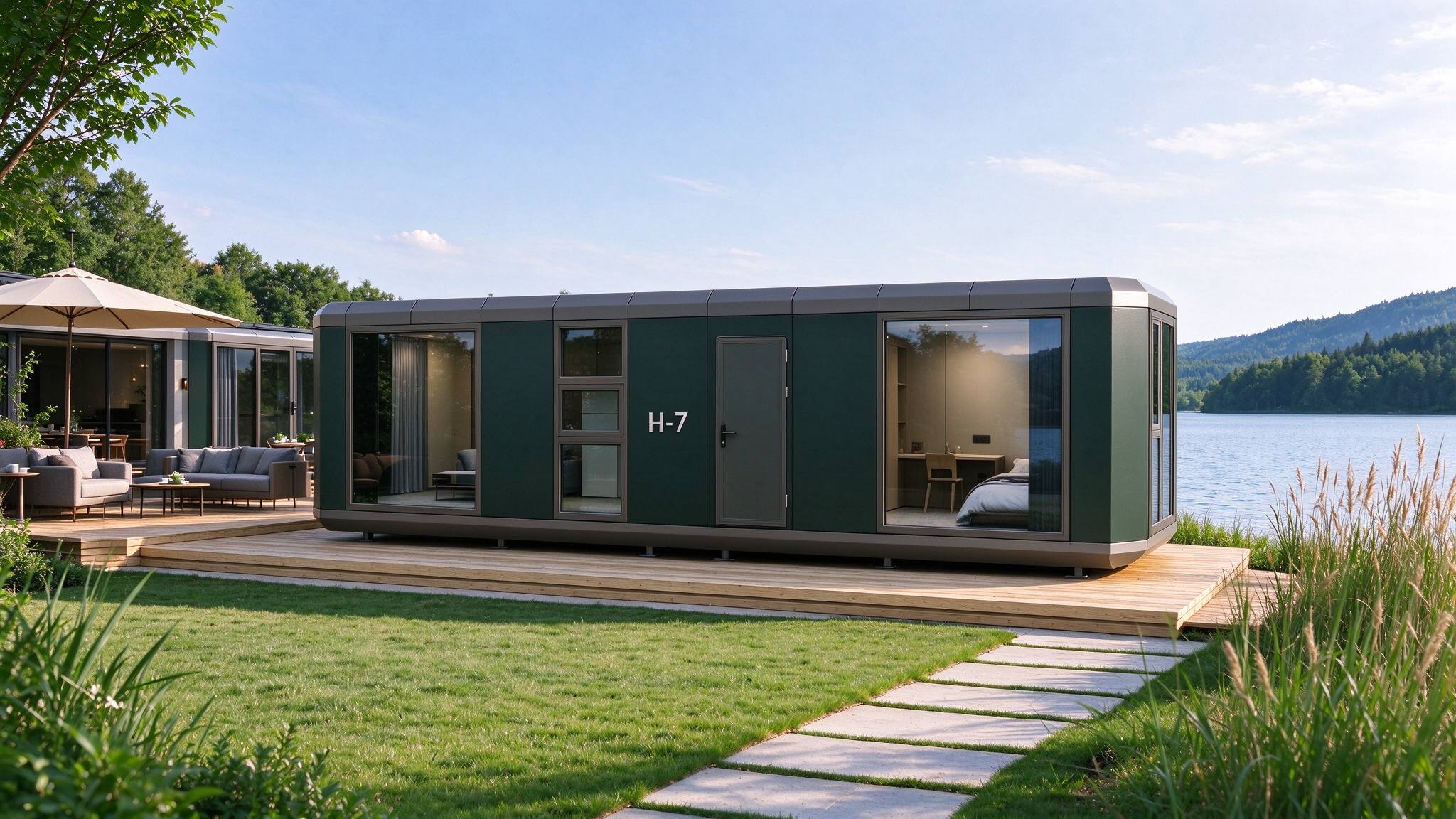
Is a Tiny Home Worth It?
For people who value practical design, lower space requirements, and flexible living arrangements, a tiny home can be an appealing option.
It may work well as a primary residence, vacation retreat, backyard guest house, or rental accommodation.
However, the right choice depends on your lifestyle, budget, location, and intended use.
Before making a decision, compare different models, evaluate the quality of materials, and calculate the total project cost.
The goal is not simply to choose the smallest possible house, but to find a space that provides the right balance of comfort, functionality, and value.
최종 생각
The growing popularity of the tiny home reflects a broader shift toward smarter and more flexible ways of living.
With efficient layouts, modern architecture, and versatile applications, compact houses offer an alternative to traditional residential buildings.
Whether you are planning a private retreat, exploring a new housing option, or developing a hospitality project, a thoughtfully designed tiny home can be a practical investment in space and lifestyle.
Explore different designs, compare specifications, and discover the compact living solution that best matches your needs.
https://www.facebook.com/profile.php?id=61595283011627&sk=photos_by