
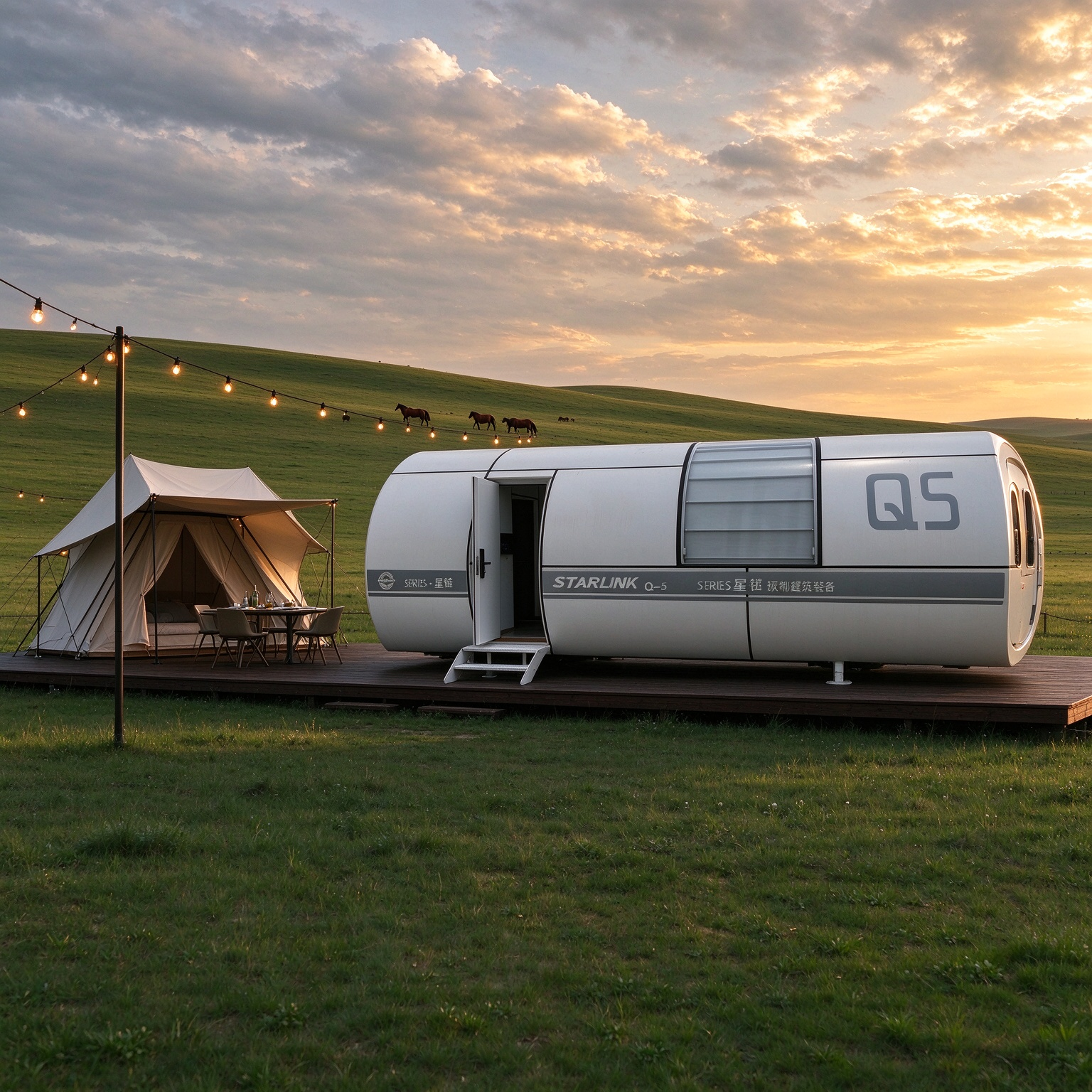
As the demand for innovative, flexible, and efficient accommodation continues to grow, modern prefabricated buildings are becoming increasingly popular across the global market. Among these emerging solutions, the prefabricated capsule house has attracted considerable attention from resort developers, hotel operators, property investors, and individuals looking for unique living spaces.
1. What Is a Prefabricated Capsule House?
A prefabricated capsule house is a modular building manufactured in a factory and transported to its installation location. Unlike conventional houses that are primarily constructed on-site, most of the structural components, interior finishes, and functional systems are prepared in advance.
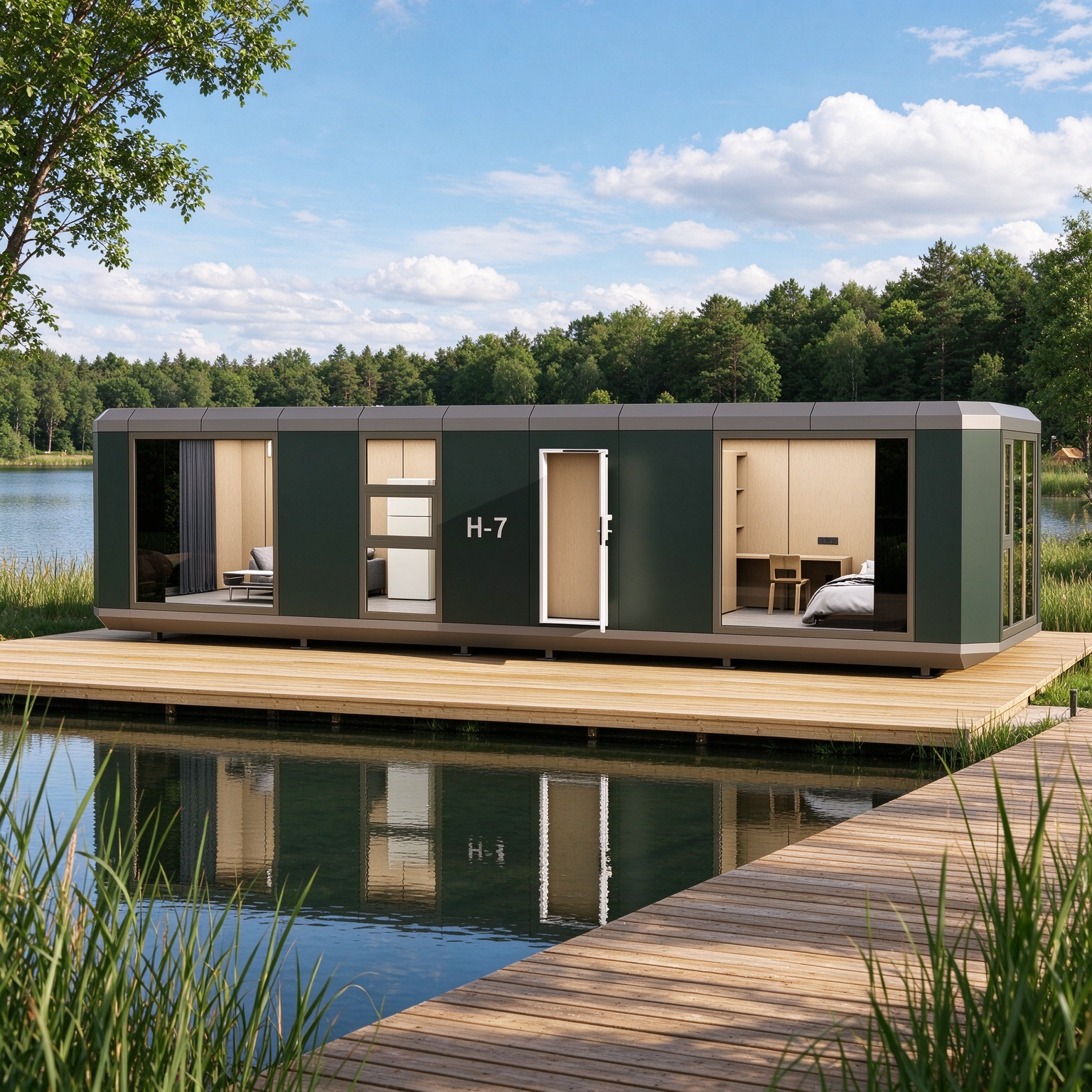
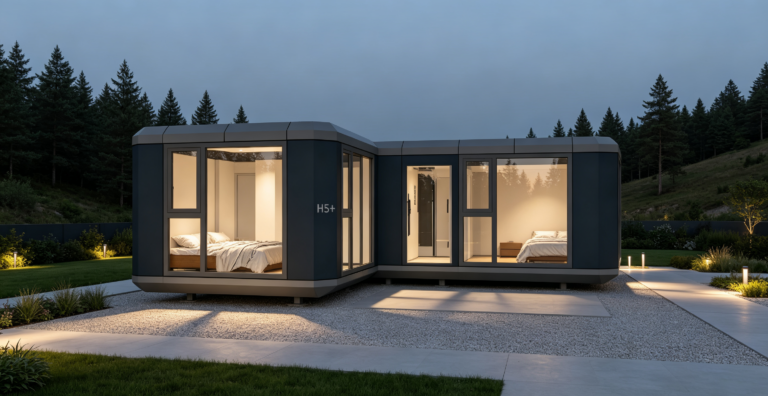
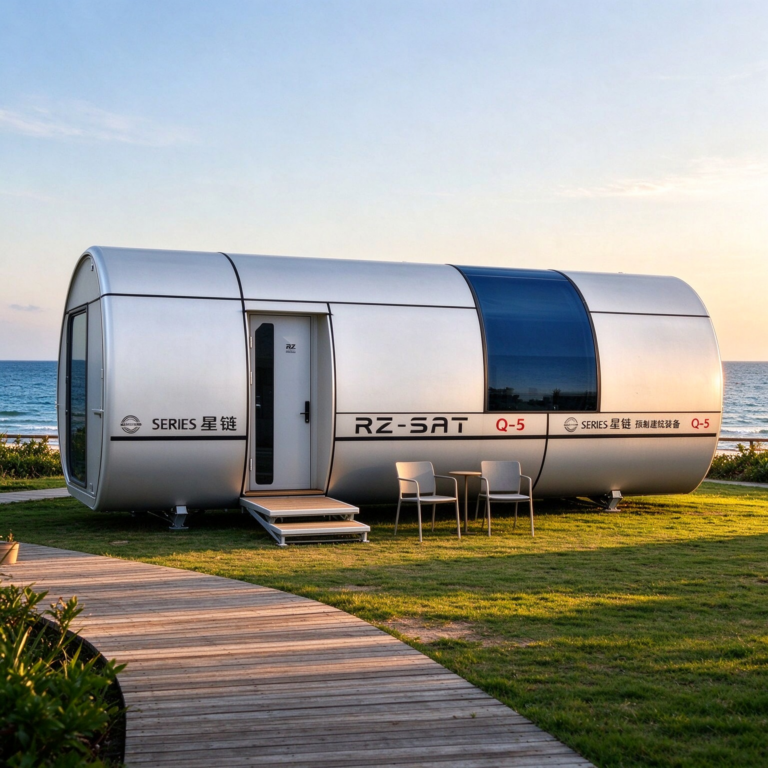
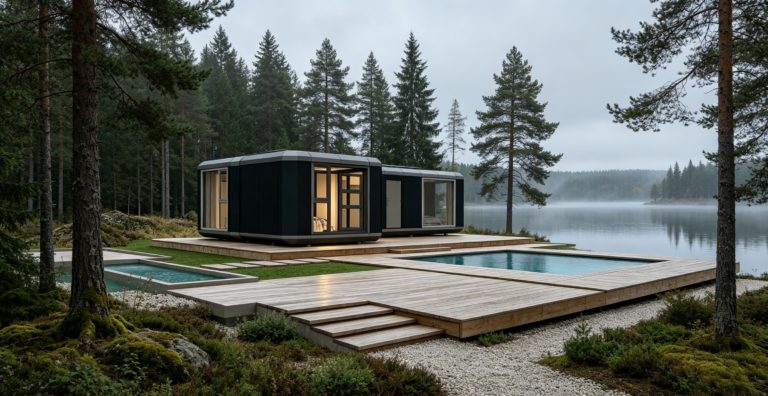
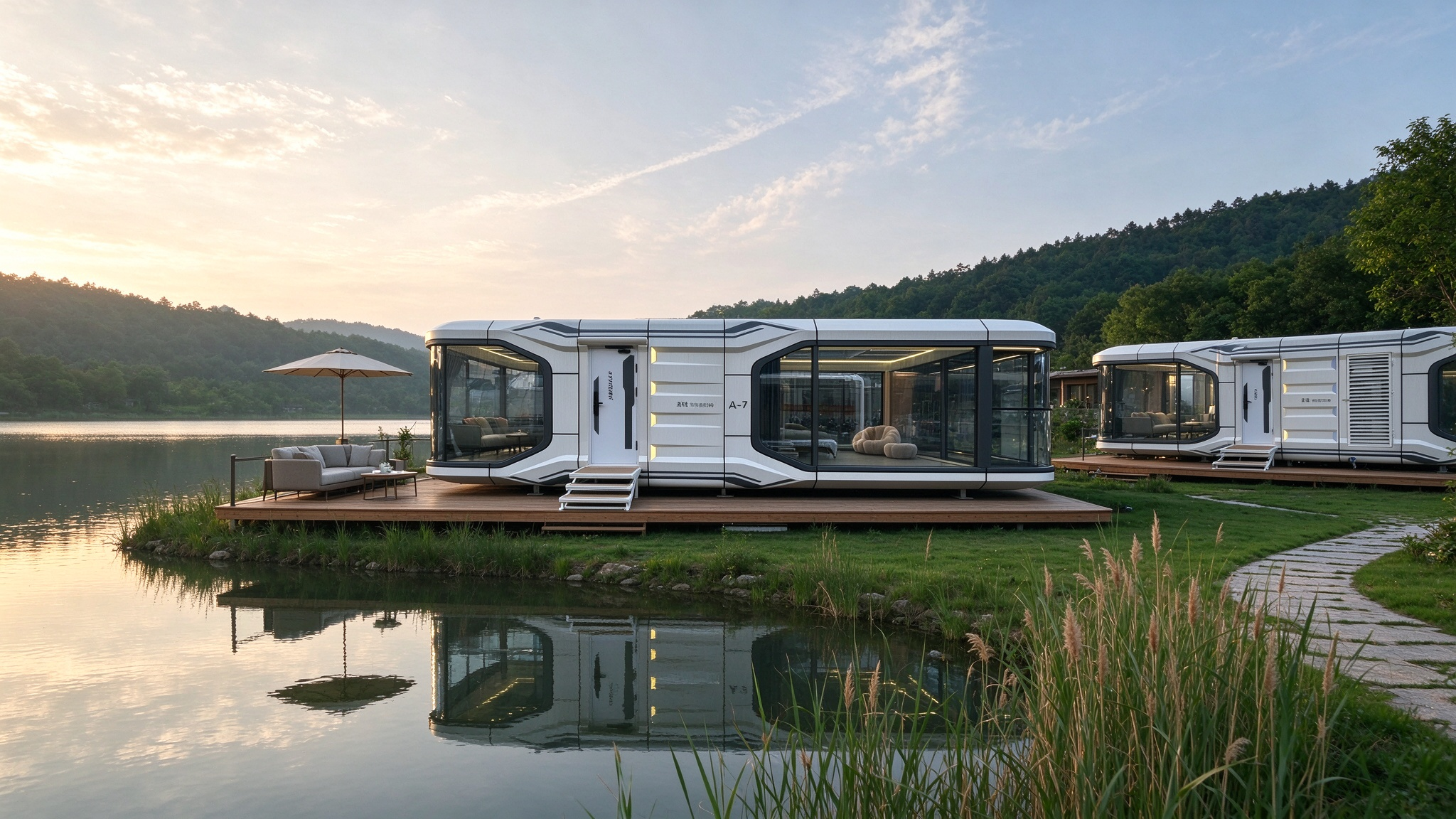
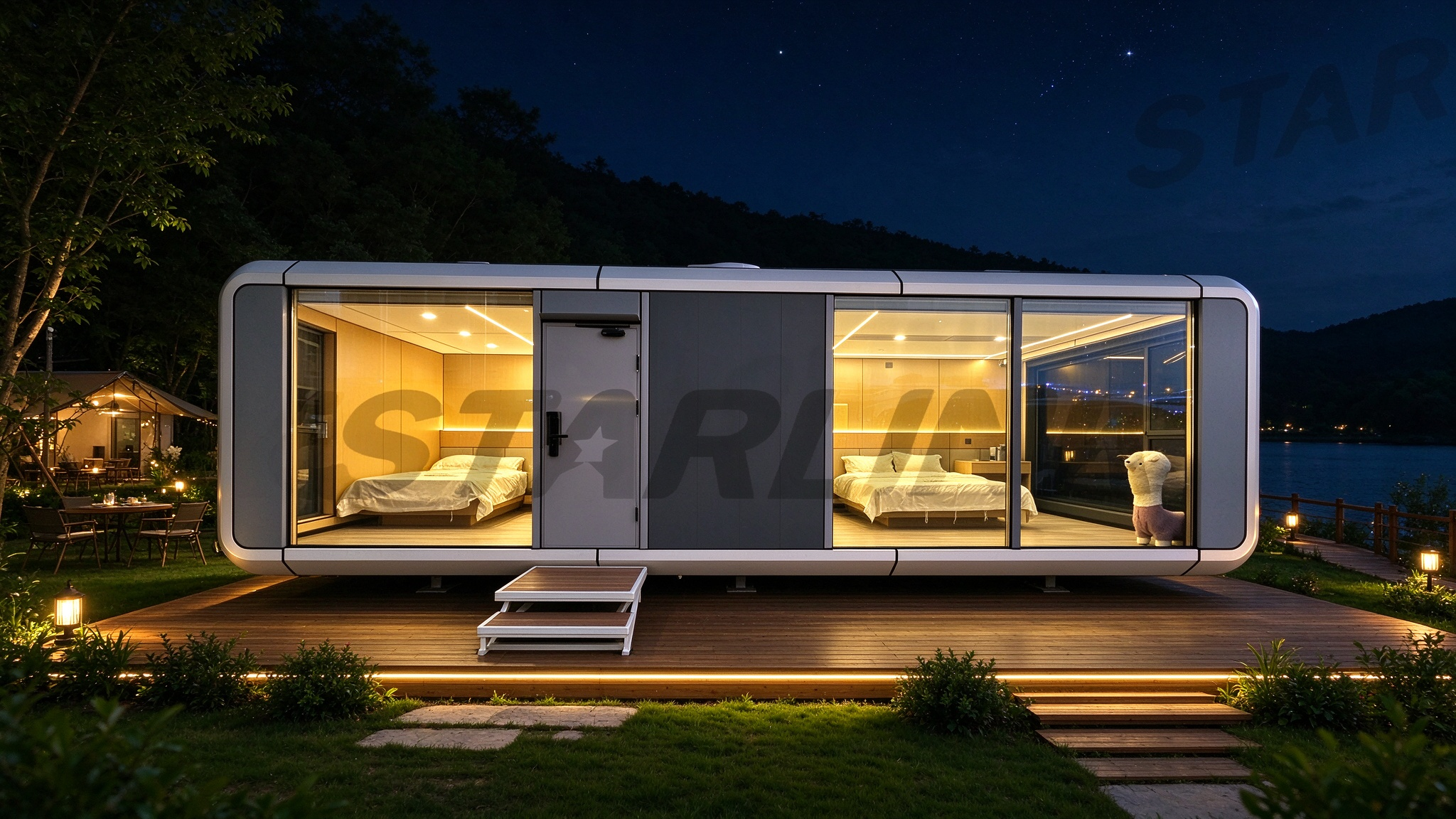
Its distinctive appearance usually features a streamlined exterior, panoramic windows, and a compact yet practical interior layout. Inspired by modern architectural concepts, capsule houses combine futuristic aesthetics with everyday functionality.
Depending on the manufacturer and configuration, a typical capsule house may include:
- A durable structural frame and exterior shell.
- Thermal and sound insulation systems.
- Panoramic windows and high-quality doors.
- A bedroom and integrated living area.
- A fully equipped bathroom.
- Lighting and electrical systems.
- Air conditioning and ventilation.
- Optional smart home and entertainment systems.
One of the biggest differences between traditional construction and a prefabricated capsule house is the manufacturing process. Since many components are completed before delivery, installation at the destination can be significantly simplified.
This makes capsule housing particularly attractive for projects where construction time, transportation, and site management are important considerations.
2. Key Benefits of a Prefabricated Capsule House
Why are more businesses and property developers considering capsule houses? The answer lies in their combination of design flexibility, manufacturing efficiency, and practical functionality.
2.1 Faster Installation and Construction
One major advantage of a prefabricated capsule house is its factory-based production process.
Traditional buildings often require multiple construction stages, including foundation preparation, structural assembly, wall installation, interior decoration, and electrical work. These activities can take considerable time and depend heavily on local weather and labor availability.
With prefabricated construction, many of these processes are completed before the building reaches the project site.
After transportation, the main installation work generally involves:
- Preparing the foundation.
- Transporting the unit to the designated location.
- Using lifting equipment to position the capsule.
- Connecting electricity, water, and drainage.
- Completing final inspections.
The actual installation time depends on the model, site conditions, and utility requirements, but factory manufacturing can help reduce the amount of on-site construction work.
2.2 Modern Design and Panoramic Views
Appearance is another important reason behind the popularity of capsule houses.
Their futuristic exterior creates a distinctive architectural identity that stands out from conventional cabins and accommodation buildings.
Large panoramic windows are particularly attractive for projects located in scenic environments, such as mountains, forests, lakesides, and coastal destinations.
They allow natural light to enter the interior while giving occupants an opportunity to enjoy the surrounding landscape.
For hospitality businesses, an attractive architectural design can also improve the overall guest experience and help create memorable accommodation spaces.
2.3 Efficient Use of Interior Space
Although a capsule house usually has a relatively compact footprint, its interior can be designed to accommodate essential living functions.
A well-planned layout may combine sleeping areas, bathrooms, storage, and entertainment facilities within a limited space.
Built-in furniture, multifunctional storage, and carefully positioned lighting can make the interior feel more spacious and comfortable.
For developers, this means that a prefabricated capsule house can provide practical accommodation without requiring the same land area as a conventional building.
2.4 Flexible Applications
Another important benefit is versatility.
Depending on its structural specifications and interior configuration, a capsule house can serve different purposes, from short-term accommodation to private recreational spaces.
Businesses can also select different models and layouts according to their target customers and project requirements.
2.5 Factory-Based Quality Control
Manufacturing in a controlled factory environment allows suppliers to manage production procedures more consistently.
Structural assembly, insulation installation, electrical wiring, interior finishing, and functional inspections can be organized into standardized production stages.
This approach can help reduce weather-related construction interruptions and improve manufacturing consistency.
3. Is a Prefabricated Capsule House a Good Investment?
For resort operators, tourism developers, and accommodation businesses, a prefabricated capsule house may offer an interesting investment opportunity.
Its distinctive appearance can help create a recognizable accommodation concept, while factory manufacturing may simplify project scheduling.
However, the actual return on investment depends on several factors:
- Initial purchasing and customization costs.
- Land preparation and foundation expenses.
- International transportation and import duties.
- Installation and utility connection costs.
- Local permits and compliance requirements.
- Maintenance and daily operating expenses.
- Occupancy rates and accommodation pricing.
For commercial projects, it is important to calculate the total project cost rather than comparing suppliers based only on the factory price.
A detailed financial assessment will help determine whether capsule accommodation fits your business model and target market.
4. Frequently Asked Questions About Prefabricated Pod Units
- Question 1: How long does it take to install a prefabricated pod unit?
- Because they are manufactured off-site, on-site installation typically takes only half a day to a full day.
- Question 2: Can the pod units be customized?
- Yes. We offer a wide range of customization options, including exterior colors, interior layouts, furniture, bathroom fixtures, lighting systems, and smart home technology.
- Question 3: Are these prefabricated pod units suitable for different climates?
- Yes. By appropriately configuring the structural system, insulation, glazing, waterproofing, and ventilation, the pod units can be designed to suit various climatic conditions.
- Question 4: Do the pod units require a foundation?
- Most installations require some form of supporting structure or foundation system. The specific solution depends on the architectural design, site conditions, local regulations, and structural requirements.
- Question 5: Can these pod units be used for commercial projects?
- Yes. They are frequently used for “glamping” (luxury camping) resorts, boutique accommodations, tourism developments, and other commercial applications. Their suitability for a specific project depends on local building codes and the technical specifications of the product.
- Question 6: What factors should I consider before importing a pod unit?
- Key factors to consider include product specifications, transport dimensions, packaging methods, import duties, local building regulations, foundation requirements, installation arrangements, and after-sales support.
- Sobre nós
- https://www.facebook.com/profile.php?id=61595283011627&sk=photos_by