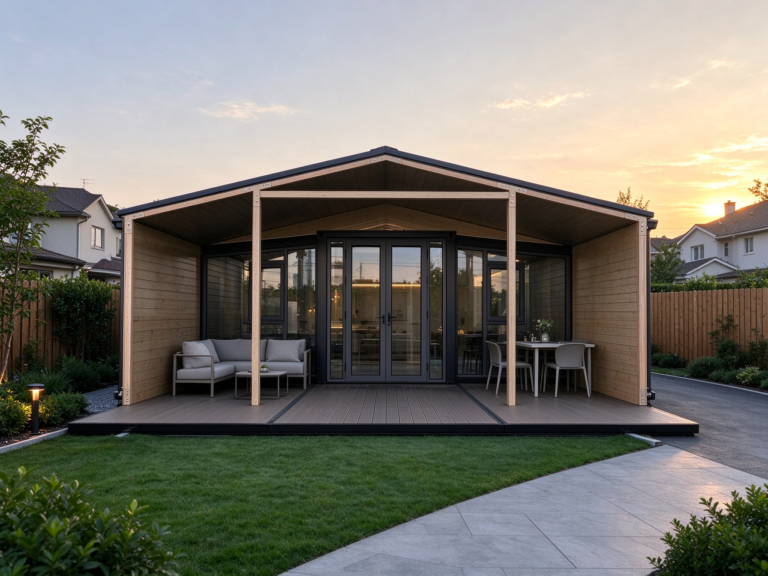

Experiential travel continues to reshape the hospitality industry. More resort owners and land developers are looking for unique, low-impact accommodation that can be set up quickly in scenic locations. If you are exploring compact prefabricated lodging options, you may have come across the tiny capsule house.
Before committing to a purchase, it helps to understand what makes this style of accommodation suitable — or unsuitable — for your land and business plan. Below we break down six core facts every buyer should know about a tiny capsule house.
1. Its Curved Shape Is More Than Just Aesthetics
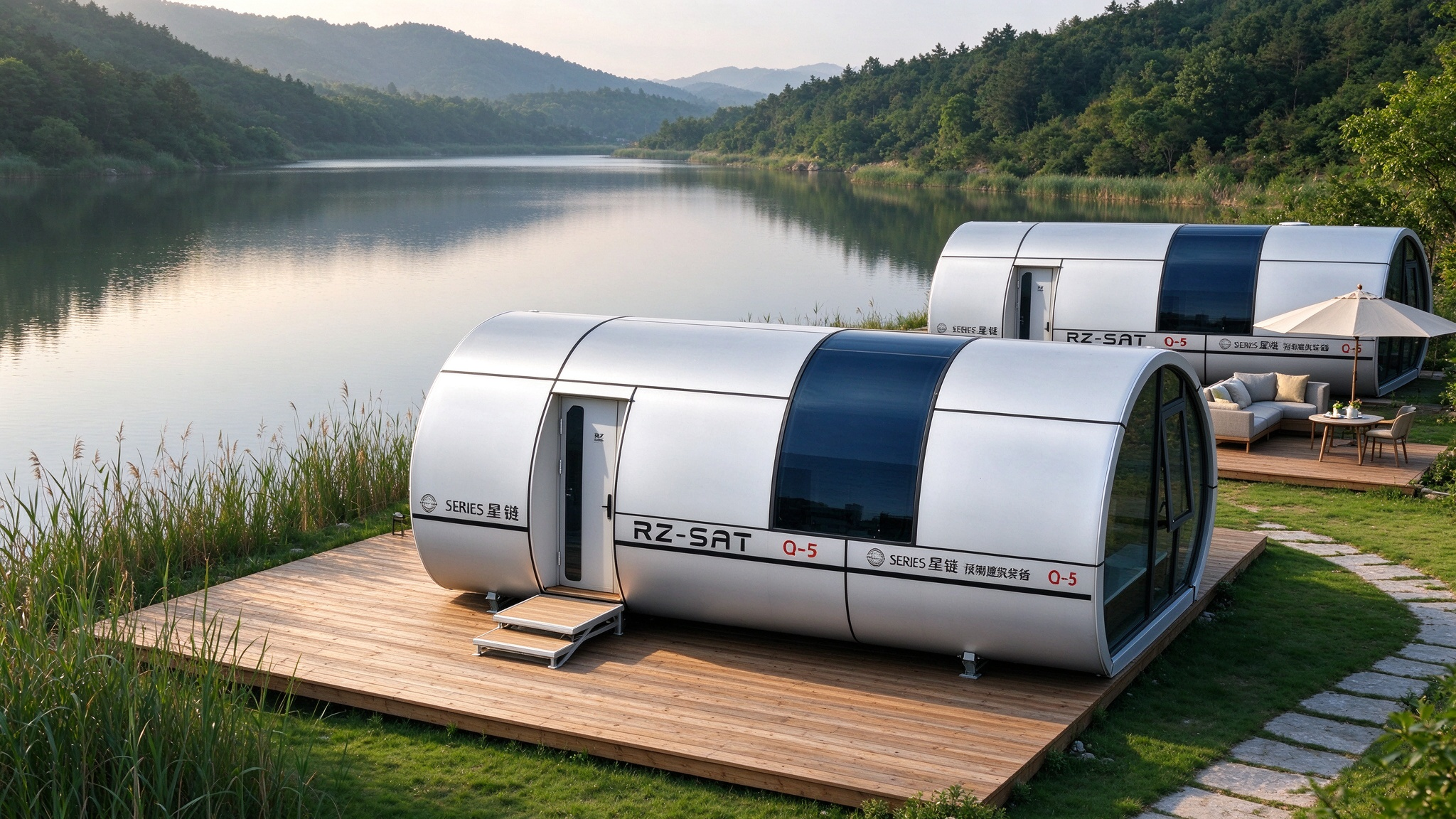
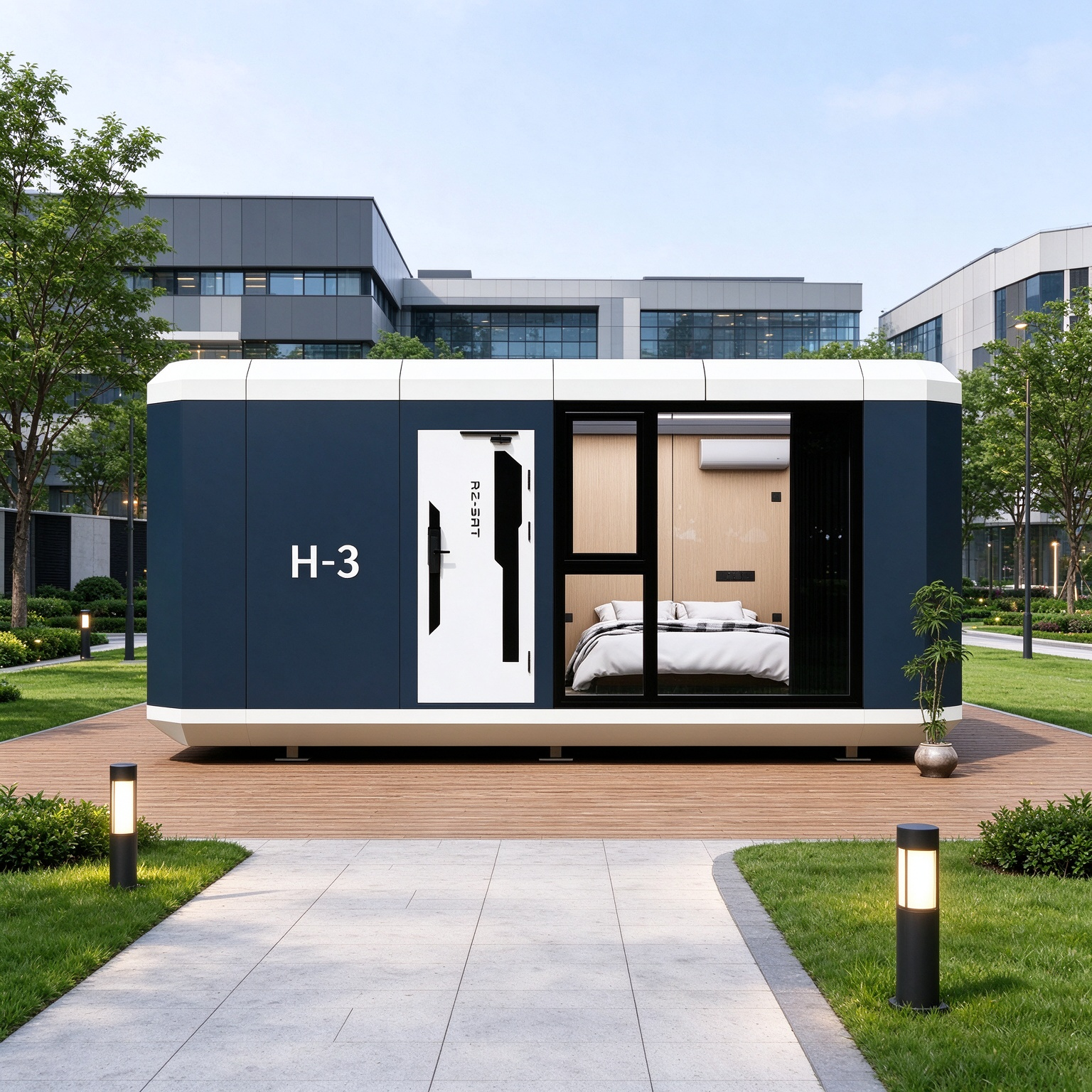
The smooth, rounded silhouette of a tiny capsule house is one of its most recognizable features, and the design serves practical purposes beyond good looks.
Rounded surfaces create better aerodynamic performance, reducing wind pressure on the structure. This makes the pod a solid choice for exposed sites such as hilltops, coastal areas and open grasslands. Rain and snow slide off the curved shell easily, leaving fewer spots for standing water, dirt buildup and long-term staining.
Inside, the curved interior softens the feeling of confinement that can happen in very small compact rooms. Paired with large panoramic glass windows, the space feels open and connected to the surrounding landscape. Most layouts include built-in sleeping space, a compact bathroom and a small counter area, carefully arranged so every square metre serves a purpose.
2. Fast On-Site Installation Means Faster Revenue
One of the biggest advantages of choosing a tiny capsule house is its simple site setup workflow.
All major finishes are completed inside the factory. Insulation, internal wiring, plumbing pipelines, lighting and bathroom fixtures are installed before shipment. Once the unit arrives at your site, the main work is preparing a suitable foundation, lifting the pod into position, and connecting water, power and drainage.
A single unit can be ready for guest check-in within just a few days after delivery. For developers building a glamping resort in phases, this timeline is extremely valuable. You can launch with a small batch of pods, test booking demand, and add more units later without waiting through long construction seasons.
3. Site & Permit Rules Are The Most Common Project Hurdle
Even the best-designed tiny capsule house will not work if local regulations do not allow it. Rules for prefab accommodation differ drastically across regions.
Some areas treat these pods as temporary accessory structures with simpler approval paths. Others require full engineered drawings, load reports and formal permits for permanent occupancy. A few zones restrict compact tourist lodging on agricultural, forest or scenic land entirely.
Before budgeting or signing an order, confirm three things with your local authority: permitted foundation types, utility connection standards, and whether the unit needs third-party structural certification. Skipping this step can lead to delays or extra costs down the line.
4. Climate Specs Must Be Tuned To Your Location
A standard tiny capsule house is not a one-size-fits-all solution for every climate.
Insulation thickness, glazing grade, ventilation and plumbing protection all need adjustment. For cold mountain destinations, anti-freeze pipe wraps and higher insulation values are essential to avoid frozen lines and keep heating efficient. Hot, humid environments need good cross ventilation, moisture barriers and UV-resistant exterior cladding to prevent overheating and condensation.
Cheap pods without proper thermal design often develop comfort issues: too hot in summer, cold in winter, or damp interiors. Working with a manufacturer that can adjust specifications for your climate will save you from guest complaints and maintenance headaches later.
5. Flexible Foundation & Logistics Fit Restricted Land
Many scenic plots have limited access or sensitive soil, which rules out heavy brick buildings or large concrete slabs. A tiny capsule house works well in these situations.
Screw piles, isolated concrete footings or lightweight steel base frames are all viable foundation choices, depending on soil tests and local codes. These options create much less ground disturbance, which is ideal for eco-resorts wanting to preserve natural surroundings.
Transport is another point to plan early. Most finished pods can be shipped as one-piece units, but narrow mountain roads or low bridges may create access limits. Flat-pack versions are available for harder-to-reach sites; they lower freight cost and simplify road transport, though they require more assembly labour on arrival.
6. It Has Clear Strengths Compared With Container-Style Lodging
Buyers often compare a tiny capsule house against shipping container accommodation, and each has its own sweet spot.
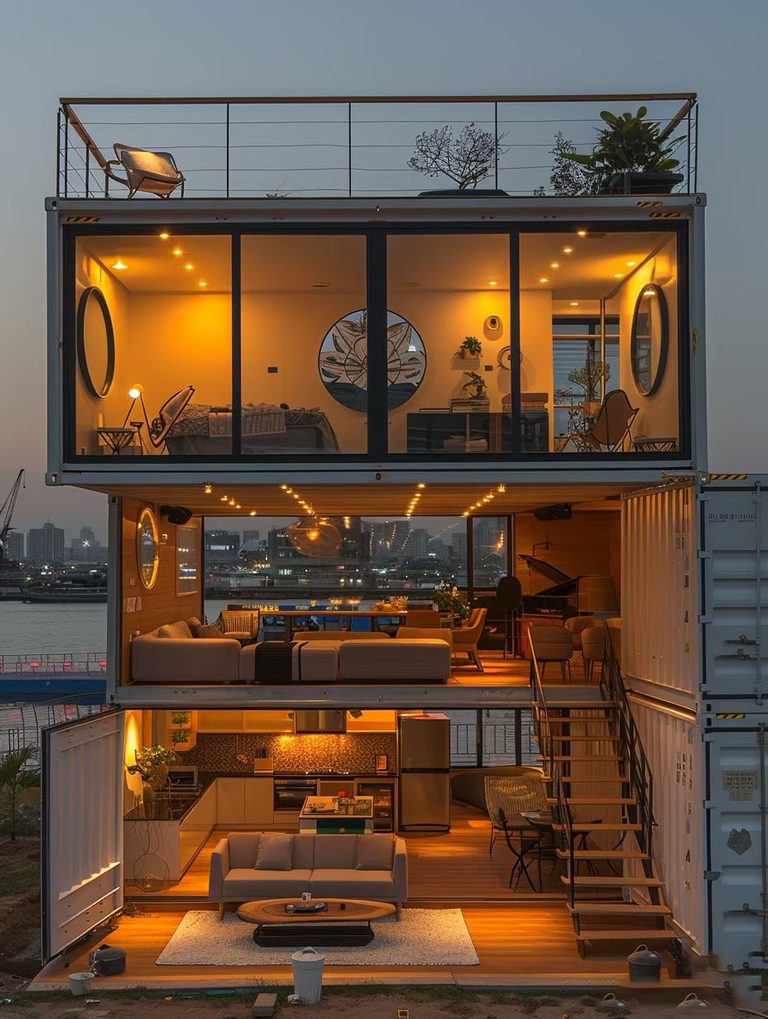
Container modules have rigid ISO steel frames that make stacking and side-by-side joining straightforward. They are easier to combine into larger multi-room buildings or two-story clusters. The tiny capsule house, by contrast, is designed as a standalone guest unit. Its unique shape creates stronger branding for glamping, and it tends to feel more spacious inside for the same floor area.
If your plan is to build a resort of separate, individual guest pods focused on memorable stays, the capsule style is a strong match. If you need to merge multiple units into apartments, staff quarters or large communal spaces, container modular homes may suit you better.
https://www.facebook.com/profile.php?id=61595283011627&sk=photos_by
FAQ
Q: Can a tiny capsule house run off-grid?
A: Yes. Most models can be pre-wired for solar panels and paired with rainwater collection and waste treatment systems. Off-grid setup adds extra components, so share your energy and water plan with the manufacturer at the quoting stage.
Q: How much maintenance does the exterior need?
A: High-quality coated metal or aluminum shell versions only need simple annual checks on sealant joints and surface condition. Avoid harsh abrasive cleaners, and touch up coating if scratches appear to prevent corrosion.
Q: Can I change the interior layout?
A: Customization is available within the limits of the capsule shell shape. You can adjust fixture placement, upgrade bathroom fittings, add extra storage or change window configurations. Major layout changes are more limited than with rectangular container units.